
Summary
Itinerary & Map
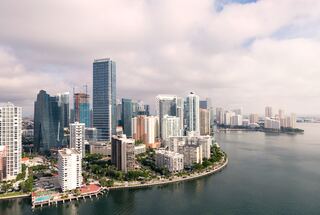
Miami is one of the world’s most popular holiday spots. It has so much to offer; from its countless beach areas, to culture and museums, from spa and shopping d...
Full description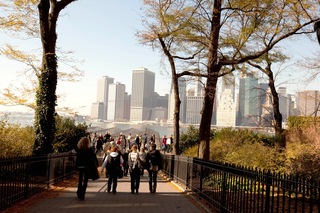
From Wall Street's skyscrapers to the neon of Times Square to Central Park's leafy paths, New York City pulses with an irrepressible energy. History meets hipne...
Full description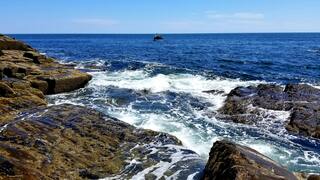
Portland, Maine The largest city in Maine, Portland was founded in 1632 on the Casco Bay Peninsula. It quickly prospered through shipbuilding and the export of...
Full description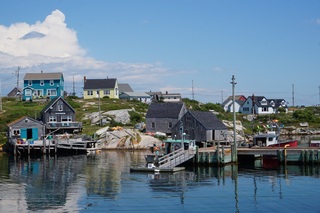
If you come directly to Cape Breton via plane, ferry, or cruise ship, Sydney is where you’ll land. If you’re seeking anything resembling an urban experience, it...
Full description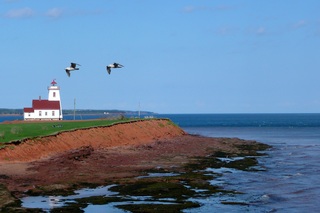
Designated as the Island capital in 1765, Charlottetown is both PEI’s oldest and largest urban center. However, since the whole "metropolitan" area only has a p...
Full description
Québec City's alluring setting atop Cape Diamond (Cap Diamant) evokes a past of high adventure, military history, and exploration. This French-speaking capital...
Full description
Viewing the workings of this major Canadian port from a waterfront boardwalk, no one would guess this was once a quiet fishing village. The place boomed after W...
Full description
Havre St. Pierre is a tiny seaside port on the north shore of the Saint Lawrence River in Quebec. It was settled in 1857 by Acadians from the Magdalen Island, a...
Full description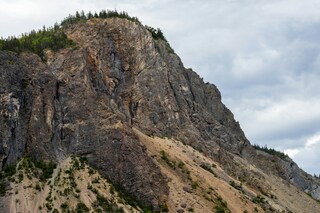
Newfoundland's fourth-largest city, Corner Brook is the hub of the island's west coast. Hills fringe three sides of the city, which has dramatic views of the ha...
Full description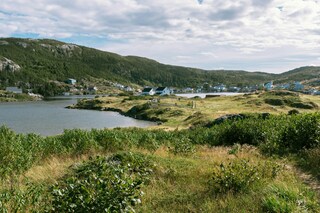
Around the year 1000, Vikings from Greenland and Iceland founded the first European settlement in North America, near the northern tip of Newfoundland. They arr...
Full description
Sprawling Reykjavík, the nation's nerve center and government seat, is home to half the island's population. On a bay overlooked by proud Mt. Esja (pronounced e...
Full description
Sprawling Reykjavík, the nation's nerve center and government seat, is home to half the island's population. On a bay overlooked by proud Mt. Esja (pronounced e...
Full description
Miami is one of the world’s most popular holiday spots. It has so much to offer; from its countless beach areas, to culture and museums, from spa and shopping d...
Full description
From Wall Street's skyscrapers to the neon of Times Square to Central Park's leafy paths, New York City pulses with an irrepressible energy. History meets hipne...
Full description
Portland, Maine The largest city in Maine, Portland was founded in 1632 on the Casco Bay Peninsula. It quickly prospered through shipbuilding and the export of...
Full description
If you come directly to Cape Breton via plane, ferry, or cruise ship, Sydney is where you’ll land. If you’re seeking anything resembling an urban experience, it...
Full description
Designated as the Island capital in 1765, Charlottetown is both PEI’s oldest and largest urban center. However, since the whole "metropolitan" area only has a p...
Full description
Québec City's alluring setting atop Cape Diamond (Cap Diamant) evokes a past of high adventure, military history, and exploration. This French-speaking capital...
Full description
Viewing the workings of this major Canadian port from a waterfront boardwalk, no one would guess this was once a quiet fishing village. The place boomed after W...
Full description
Havre St. Pierre is a tiny seaside port on the north shore of the Saint Lawrence River in Quebec. It was settled in 1857 by Acadians from the Magdalen Island, a...
Full description
Newfoundland's fourth-largest city, Corner Brook is the hub of the island's west coast. Hills fringe three sides of the city, which has dramatic views of the ha...
Full description
Around the year 1000, Vikings from Greenland and Iceland founded the first European settlement in North America, near the northern tip of Newfoundland. They arr...
Full description
Sprawling Reykjavík, the nation's nerve center and government seat, is home to half the island's population. On a bay overlooked by proud Mt. Esja (pronounced e...
Full description
Sprawling Reykjavík, the nation's nerve center and government seat, is home to half the island's population. On a bay overlooked by proud Mt. Esja (pronounced e...
Full descriptionMiami, Florida
Miami is one of the world’s most popular holiday spots. It has so much to offer; from its countless beach areas, to culture and museums, from spa and shopping days out, to endless cuban restaurants and cafes. Miami is a multicultural city that has something to offer to everyone.
New York, New York
From Wall Street's skyscrapers to the neon of Times Square to Central Park's leafy paths, New York City pulses with an irrepressible energy. History meets hipness in this global center of entertainment, fashion, media, and finance. World-class museums like MoMA and unforgettable icons like the Statue of Liberty beckon, but discovering the subtler strains of New York's vast ambition is equally rewarding: ethnic enclaves and shops, historic streets of dignified brownstones, and trendy bars and eateries all add to the urban buzz.
Portland, Maine
Portland, Maine The largest city in Maine, Portland was founded in 1632 on the Casco Bay Peninsula. It quickly prospered through shipbuilding and the export of inland pines which made excellent masts. A long line of wooden wharves stretched along the seafront, with the merchants' houses on the hillside above. From the earliest days it was a cosmopolitan city. When the railroads came, the Canada Trunk Line had its terminal right on Portland's quayside, bringing the produce of Canada and the Great Plains one hundred miles closer to Europe than any other major U.S. port. Some of the wharves are now occupied by new condominium developments, with the exception of the Customs House Wharf, which remains much as it used to be. Grand Trunk Station was torn down in 1966 and a revitalization program of this historic section was spearheaded by a group of committed residents. The result was the revival of the Old Port Exchange District with its redbrick streets built in the 1860s following a disastrous fire. The area today features a wide variety of restaurants, specialty and antique shops, and makes for a pleasant place for a stroll. Congress Street and its many side streets are an engaging mixture of culture, commerce and history. Art is everywhere, from the Portland Museum of Art to the many statues and monuments throughout the city. Other points of interest include the Portland Observatory, Henry Wadsworth Longfellow's childhood home, several colonial mansions and Fort Williams Park, with the adjacent Portland Head Light. Farther afield one can visit the charming yachting and fishing village of Kennebunkport, also noted as the locale of the home and summer White House of former President George Bush. Going Ashore in Portland Pier Information The ship is scheduled to dock at the Portland Ocean Terminal, a very easy walk to the Old Port District located about two blocks away. Taxis are available at the pier. Shopping A wide range of Maine-made clothing, crafts and imported items can be found in shops along the cobblestone streets of the quaint Old Port Exchange. Small boutiques and numerous art galleries feature everything from paintings, crafts and furniture to prints and photographs. Antique lovers will enjoy browsing through area shops. Bargain hunters may want to visit the designer factory outlet shops in Freeport. On Sundays, most shops are open from 12:00 noon to 5:00-6:00 p.m. The local currency is the dollar. Cuisine Portland has the most restaurants per capita, second only to San Francisco. Eating establishments are as diverse as the menus they offer. The fresh catch of the day can be found on most menus, but seafood is only one of many culinary delights. From specialty coffee houses and ethnic restaurants to chowder and lobster houses to elegant dining rooms, Portland makes it easy to please every palate. Other Sights Longfellow's "City by the Sea" Portland is a walkable city, and a good place to start exploring is at the Old Port with its striking buildings comprising a bevy of architectural styles, ranging from Italianate to Mansard, Queen Anne to Greek Revival. The charming streets house an amazing collection of shops, galleries, bookstores and restaurants. Congress Street and the Arts District reflect the changes of 350 years of history, boasting an engaging mixture of culture and commerce. Portland Museum of Art The museum's award-winning building is a blend of 1911 Beaux Arts and 1983 post-modernism. It houses one of New England's finest art collections. Don't miss the museum's indoor Sculpture Garden. Portland Observatory Built in 1807, this is a rare example of a signal tower from which signal flags would be flown to identify incoming vessels. Factory Outlets of Freeport About a 25-minute drive north of Portland (approximately $35 one way for a taxi), this shopping mecca is crammed with serious shoppers who come from as far away as New York. Private arrangements for independent sightseeing may be requested through the Tour Office on board.
Sydney, Nova Scotia
If you come directly to Cape Breton via plane, ferry, or cruise ship, Sydney is where you’ll land. If you’re seeking anything resembling an urban experience, it’s also where you’ll want to stay: after all, this is the island’s sole city. Admittedly, it is not the booming center it was a century ago when the continent’s largest steel plant was located here (that era is evoked in Fall on Your Knees, an Oprah Book Club pick penned by Cape Bretoner Anne-Marie MacDonald). However, Sydney has a revitalized waterfront and smattering of Loyalist-era buildings that appeal to visitors. Moreover, it offers convenient access to popular attractions in the region—like the Miner’s Museum in nearby Glace Bay (named for the glace, or ice, that filled its harbor in winter), the Fortress at Louisbourg, and beautiful Bras d'Or Lake.
Charlottetown, Prince Edward Island
Designated as the Island capital in 1765, Charlottetown is both PEI’s oldest and largest urban center. However, since the whole "metropolitan" area only has a population of about 65,000, a pleasing small-town atmosphere remains. The city is a winner appearance-wise as well. Peppered with gingerbread-clad homes, converted warehouses, striking churches, and monumental government buildings, Charlottetown’s core seems relatively unchanged from its 19th-century heyday when it hosted the conference that led to the formation of Canada. The city is understandably proud of its role as the "Birthplace of Confederation" and, in summer, downtown streets are dotted with people dressed as personages from the past who’ll regale you with tales about the Confederation debate.
Quebec City, Québec
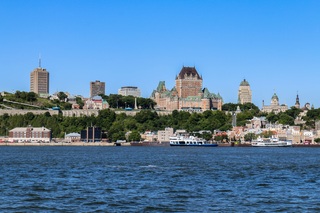
Québec City's alluring setting atop Cape Diamond (Cap Diamant) evokes a past of high adventure, military history, and exploration. This French-speaking capital city is the only walled city north of Mexico. Visitors come for the delicious and inventive cuisine, the remarkable historical continuity, and to share in the seasonal exuberance of the largest Francophone population outside France.The historic heart of this community is the Old City (Vieux-Québec), comprising the part of Upper Town (Haute-Ville) surrounded by walls and Lower Town (Basse-Ville), which spreads out at the base of the hill from Place Royale. Many sets of staircases and the popular funicular link the top of the hill with the bottom. Cobblestone streets, horse-drawn carriages, and elaborate cathedrals here are charming in all seasons. The Old City earned recognition as an official UNESCO World Heritage site in 1985, thanks largely to city planners who managed to update and preserve the 400-year-old buildings and attractions without destroying what made them worth preserving. The most familiar icon of the city, Fairmont Château Frontenac, is set on the highest point in Upper Town, where it holds court over the entire city.Sitting proudly above the confluence of the St. Lawrence and St. Charles rivers, the city's famous military fortification, La Citadelle, built in the early 19th century, remains the largest of its kind in North America. In summer, visitors should try to catch the Changing of the Guard, held every morning at 10 am; you can get much closer to the guards here than at Buckingham Palace in London.Enchanting as it is, the Old City is just a small part of the true Québec City experience. Think outside the walls and explore St-Roch, a downtown hot spot, which has artsy galleries, foodie haunts, and a bustling square. Cruise the Grande-Allée and avenue Cartier to find a livelier part of town dotted with nightclubs and fun eateries. Or while away the hours in St-Jean-Baptiste, a neighborhood with trendy shops and hipster hangouts.
Sept-Iles, Québec
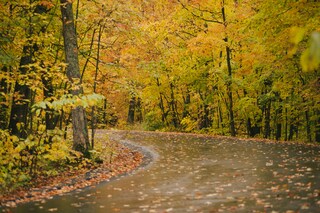
Viewing the workings of this major Canadian port from a waterfront boardwalk, no one would guess this was once a quiet fishing village. The place boomed after World War II, when large companies decided Sept-Îles would make a good base for expanding northern Québec’s iron-mining industry. But all of the massive infrastructure can’t trump Mother Nature. Beautiful beaches line the coast, and the islands of an archipelago park sit just offshore. Campers and bird-watchers flock here, in part to spot the colorful beaks of the puffins.
Havre-Saint-Pierre, Québec
Havre St. Pierre is a tiny seaside port on the north shore of the Saint Lawrence River in Quebec. It was settled in 1857 by Acadians from the Magdalen Island, and still today locals speak a dialect more similar to Acadian French than to Quebec French. It was originally called Saint-Pierre-de-la-Pointe-aux-Esquimaux until 1927, when it was officially shortened to Havre St Pierre. Until recently the local economy relied mainly on fishing and lumbering, today it is mainly a titanium ore-transhipment port. Nearby is one of the world’s most amazing natural phenomena – the Mingan Archipelago. They are the largest group of erosional monoliths in Canada, and were declared a Nation Park in 1984. These limestone monoliths have formed over thousands of years by wave action, strong winds and seasonal freezing and thawing. The result is a unique set of large limestone sculptures.
Corner Brook, Newfoundland and Labrador
Newfoundland's fourth-largest city, Corner Brook is the hub of the island's west coast. Hills fringe three sides of the city, which has dramatic views of the harbor and the Bay of Islands. The town is also home to a large paper mill and a branch of Memorial University. Captain James Cook, the British explorer, charted the coast in the 1760s, and a memorial to him overlooks the bay.The town enjoys more clearly defined seasons than most of the rest of the island, and in summer it has many pretty gardens. The nearby Humber River is the best-known salmon river in the province, and there are many kilometers of well-maintained walking trails in the community.
L'Anse aux Meadows, Newfoundland and Labrador
Around the year 1000, Vikings from Greenland and Iceland founded the first European settlement in North America, near the northern tip of Newfoundland. They arrived in the New World 500 years before Columbus but stayed only a few years and were forgotten for centuries. Since the settlement's rediscovery in the last century, the archaeological site has brought tourism to the area. Viking themes abound but so do views, whales, icebergs, fun dining experiences, and outdoor activities. L'Anse Aux Meadows on the northern tip of the island of Newfoundland is a remote community of just 40 people, with St Anthony, 40 minutes away, having a population of only 3,500. The region is locally famous for springtime polar bears, nesting eider ducks, the northern extreme of the Appalachians at nearby Belle Isle, numerous spring and summer icebergs, and a rich ocean fishery. L’Anse Aux Meadows National Historic Site is the UNESCO World Heritage Site that tells the story of Leif Erickson and the first Europeans in the new world. This site is often the keystone attraction for cruises themed around the Vikings. Discovered in 1960, it is the site of a Norse village, the only known one in North America outside of Greenland. The site remains the only widely-accepted instance of pre-Columbian trans-oceanic contact, and is notable for possible connections with the attempted colony of Vinland established by Leif Ericson around 1003, or more broadly with Norse exploration of the Americas. The root of the name "L'Anse aux Meadows" is believed to have originated with French fishermen in the area during the nineteenth and twentieth centuries, who named the site L'Anse aux Meduses, meaning 'Jellyfish Bay'.
Reykjavík
Sprawling Reykjavík, the nation's nerve center and government seat, is home to half the island's population. On a bay overlooked by proud Mt. Esja (pronounced eh-shyuh), with its ever-changing hues, Reykjavík presents a colorful sight, its concrete houses painted in light colors and topped by vibrant red, blue, and green roofs. In contrast to the almost treeless countryside, Reykjavík has many tall, native birches, rowans, and willows, as well as imported aspen, pines, and spruces.Reykjavík's name comes from the Icelandic words for smoke, reykur, and bay, vík. In AD 874, Norseman Ingólfur Arnarson saw Iceland rising out of the misty sea and came ashore at a bay eerily shrouded with plumes of steam from nearby hot springs. Today most of the houses in Reykjavík are heated by near-boiling water from the hot springs. Natural heating avoids air pollution; there's no smoke around. You may notice, however, that the hot water brings a slight sulfur smell to the bathroom.Prices are easily on a par with other major European cities. A practical option is to purchase a Reykjavík City Card at the Tourist Information Center or at the Reykjavík Youth Hostel. This card permits unlimited bus usage and admission to any of the city's seven pools, the Family Park and Zoo, and city museums. The cards are valid for one (ISK 3,300), two (ISK 4,400), or three days (ISK 4,900), and they pay for themselves after three or four uses a day. Even lacking the City Card, paying admission (ISK 500, or ISK 250 for seniors and people with disabilities) to one of the city art museums (Hafnarhús, Kjarvalsstaðir, or Ásmundarsafn) gets you free same-day admission to the other two.
Date & price
Departs
Sat 6 May 2028
from £9,870 pp
Enquire now Call 020 7590 0610Per person, based on two sharing, cruise only. Updated daily and confirmed when you book.