
Summary
Itinerary & Map
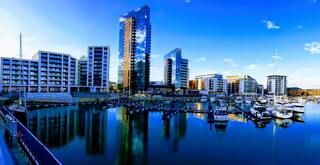
Lying near the head of Southampton Water, a peninsula between the estuaries of the Rivers Test and Itchen, Southampton is Britain’s largest cruise port. It has...
Full description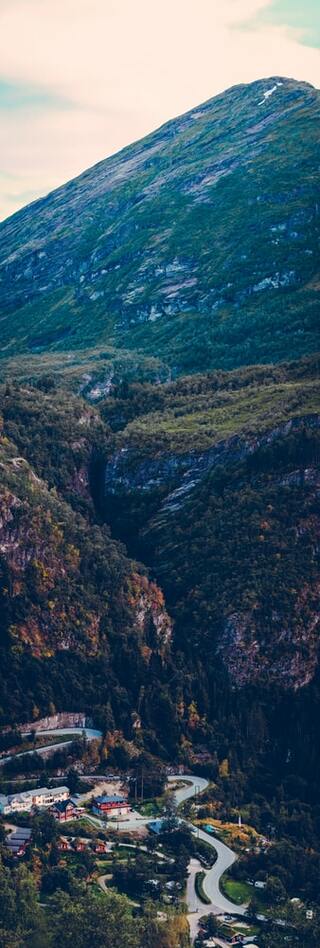
The Geirangerfjord, which made the UNESCO World Heritage List in 2005, is Norway's most spectacular and perhaps best-known fjord. The 16-km-long (10-mile-long),...
Full description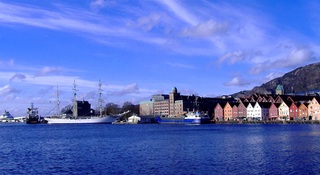
Surrounded by mountains and sparkling fjords, the waterside city of Bergen has a spectacular setting. There has been a settlement here since medieval times and...
Full description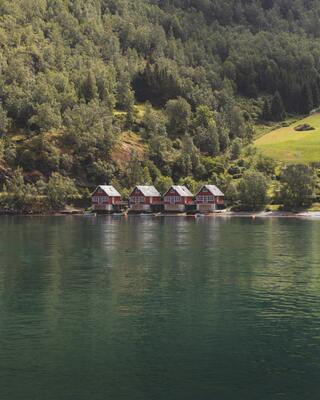

In 1895 work began to construct a new seaport and harbour next to the tiny village of Zeebrugge, situated on the North Sea coast. Today the fast-expanding port...
Full description
Lying near the head of Southampton Water, a peninsula between the estuaries of the Rivers Test and Itchen, Southampton is Britain’s largest cruise port. It has...
Full description
Cork City received its first charter in 1185 from Prince John of Norman England, and it takes its name from the Irish word corcaigh, meaning "marshy place." The...
Full description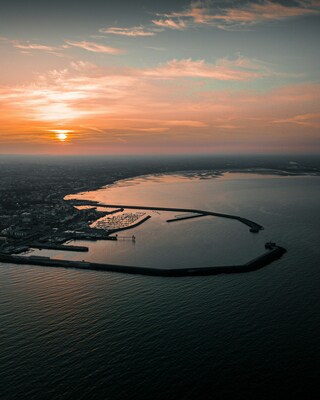
Killybegs The days start early in Killybegs, as this quiet fishing town rumbles to life, and ships with red and blue paint peeling from their hulls quietly depa...
Full description
Trendy stores, a booming cultural life, fascinating architecture, and stylish restaurants reinforce Glasgow's claim to being Scotland's most exciting city. Afte...
Full description
Lying near the head of Southampton Water, a peninsula between the estuaries of the Rivers Test and Itchen, Southampton is Britain’s largest cruise port. It has...
Full description
Lying near the head of Southampton Water, a peninsula between the estuaries of the Rivers Test and Itchen, Southampton is Britain’s largest cruise port. It has...
Full description
The Geirangerfjord, which made the UNESCO World Heritage List in 2005, is Norway's most spectacular and perhaps best-known fjord. The 16-km-long (10-mile-long),...
Full description
Surrounded by mountains and sparkling fjords, the waterside city of Bergen has a spectacular setting. There has been a settlement here since medieval times and...
Full description
In 1895 work began to construct a new seaport and harbour next to the tiny village of Zeebrugge, situated on the North Sea coast. Today the fast-expanding port...
Full description
Lying near the head of Southampton Water, a peninsula between the estuaries of the Rivers Test and Itchen, Southampton is Britain’s largest cruise port. It has...
Full description
Cork City received its first charter in 1185 from Prince John of Norman England, and it takes its name from the Irish word corcaigh, meaning "marshy place." The...
Full description
Killybegs The days start early in Killybegs, as this quiet fishing town rumbles to life, and ships with red and blue paint peeling from their hulls quietly depa...
Full description
Trendy stores, a booming cultural life, fascinating architecture, and stylish restaurants reinforce Glasgow's claim to being Scotland's most exciting city. Afte...
Full description
Lying near the head of Southampton Water, a peninsula between the estuaries of the Rivers Test and Itchen, Southampton is Britain’s largest cruise port. It has...
Full descriptionSouthampton
Lying near the head of Southampton Water, a peninsula between the estuaries of the Rivers Test and Itchen, Southampton is Britain’s largest cruise port. It has been one of England’s major ports since the Middle Ages, when it exported wool and hides from the hinterland and imported wine from Bordeaux. The city suffered heavy damage during World War Two and as a result the centre has been extensively rebuilt, but there are still some interesting medieval buildings including the Bargate, one of the finest city gatehouses in England.
Geiranger
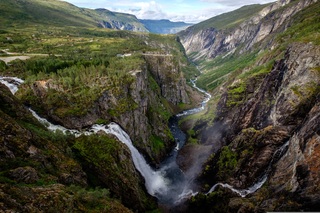
The Geirangerfjord, which made the UNESCO World Heritage List in 2005, is Norway's most spectacular and perhaps best-known fjord. The 16-km-long (10-mile-long), 960-foot-deep Geirangerfjord's most stunning attractions are its roaring waterfalls—the Seven Sisters, the Bridal Veil, and the Suitor. Perched on mountain ledges along the fjord, deserted farms at Skageflå and Knivsflå are being restored and maintained by local enthusiasts.The village of Geiranger, at the end of the fjord, is home to fewer than 300 year-round residents, but in spring and summer its population swells to 5,000 due to visitors traveling from Hellesylt to the east. In winter, snow on the mountain roads often makes the village isolated.
Bergen
Surrounded by mountains and sparkling fjords, the waterside city of Bergen has a spectacular setting. There has been a settlement here since medieval times and the colourful waterfront buildings of the Hanseatic wharf, known as Bryggen, are testament to its fascinating history of trade. As Norway’s best known medieval settlement, the Bryggen is listed by UNESCO as a World Heritage Site. Our comprehensive selection of excursions allows you to discover the many sides of Bergen, such as the fish market and narrow cobbled streets, as well as stunning views of the city from the summit of Mt Fløyen. Alternatively, those who have visited the city previously may like to experience one of the tours that travel further afield. Just 300 yards from the main piers, you will find the Fortress Museum (Fesningsmuseum), which has an interesting collection of objects related to World War II.
Zeebrugge
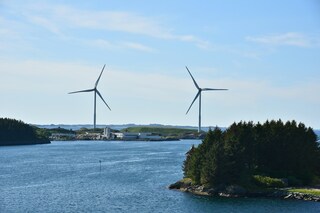
In 1895 work began to construct a new seaport and harbour next to the tiny village of Zeebrugge, situated on the North Sea coast. Today the fast-expanding port of Zeebrugge is one of the busiest in Europe and its marina is Belgium’s most important fishing port. Many attempts were made to destroy this important port during both World Wars. Zeebrugge is ideally located for discovering the historic city of Bruges, and delightful seaside resorts with long sandy beaches can be visited by using the trams that run the whole length of the Belgian coast. Please note that no food may be taken ashore in Belgium. We shall not be offering shuttle buses to Bruges, but you may visit the city on an optional excursion: those visiting Bruges should note that there may be quite a long walk from the coach to the town centre.
Cork
Cork City received its first charter in 1185 from Prince John of Norman England, and it takes its name from the Irish word corcaigh, meaning "marshy place." The original 6th-century settlement was spread over 13 small islands in the River Lee. Major development occurred during the 17th and 18th centuries with the expansion of the butter trade, and many attractive Georgian-design buildings with wide bowfront windows were constructed during this time. As late as 1770 Cork's present-day main streets—Grand Parade, Patrick Street, and the South Mall—were submerged under the Lee. Around 1800, when the Lee was partially dammed, the river divided into two streams that now flow through the city, leaving the main business and commercial center on an island, not unlike Paris's Île de la Cité. As a result, the city has a number of bridges and quays, which, although initially confusing, add greatly to the port's unique character. Cork can be very "Irish" (hurling, Gaelic football, televised plowing contests, music pubs, and peat smoke). But depending on what part of town you're in, Cork can also be distinctly un-Irish—the sort of place where hippies, gays, and farmers drink at the same pub.
Killybegs
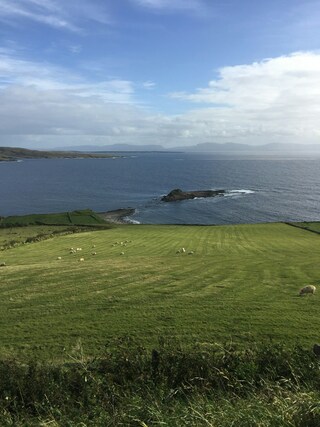
Killybegs The days start early in Killybegs, as this quiet fishing town rumbles to life, and ships with red and blue paint peeling from their hulls quietly depart, ready for a morning's hard work at sea. Located in a scenic part of County Donegal, Killybegs is Ireland's fishing capital, and the salty breeze and pretty streets serve as a revitalising medicine for visitors. The town is also your gateway to some of the country's most majestic coastal scenery, which is dotted with flashing white lighthouses, keeping watch over invigorating seascapes. Killybegs enjoys a privileged position on the coast of north west of Ireland, close to the spectacular Slieve League - a titanic mountain, which explodes upwards from frothing ocean. Walk as close as you dare to the coastline’s sheer drops, or admire the folding cliffs from the best vantage point, down on the water.
Greenock
Trendy stores, a booming cultural life, fascinating architecture, and stylish restaurants reinforce Glasgow's claim to being Scotland's most exciting city. After decades of decline, it has experienced an urban renaissance uniquely its own. The city’s grand architecture reflects a prosperous past built on trade and shipbuilding. Today buildings by Charles Rennie Mackintosh hold pride of place along with the Zaha Hadid–designed Riverside Museum.Glasgow (the "dear green place," as it was known) was founded some 1,500 years ago. Legend has it that the king of Strathclyde, irate about his wife's infidelity, had a ring he had given her thrown into the river Clyde. (Apparently she had passed it on to an admirer.) When the king demanded to know where the ring had gone, the distraught queen asked the advice of her confessor, St. Mungo. He suggested fishing for it—and the first salmon to emerge had the ring in its mouth. The moment is commemorated on the city's coat of arms.The medieval city expanded when it was given a royal license to trade; the current High Street was the main thoroughfare at the time. The vast profits from American cotton and tobacco built the grand mansions of the Merchant City in the 18th century. In the 19th century the river Clyde became the center of a vibrant shipbuilding industry, fed by the city’s iron and steel works. The city grew again, but its internal divisions grew at the same time. The West End harbored the elegant homes of the newly rich shipyard owners. Down by the river, areas like the infamous Gorbals, with its crowded slums, sheltered the laborers who built the ships. They came from the Highlands, expelled to make way for sheep, or from Ireland, where the potato famines drove thousands from their homes.During the 19th century the population grew from 80,000 to more than a million. And the new prosperity gave Glasgow its grand neoclassical buildings, such as those built by Alexander "Greek" Thomson, as well as the adventurous visionary buildings designed by Charles Rennie Mackintosh and others who produced Glasgow’s Arts and Crafts movement. The City Chambers, built in 1888, are a proud statement in marble and gold sandstone, a clear symbol of the wealthy and powerful Victorian industrialists' hopes for the future.The decline of shipbuilding and the closure of the factories led to much speculation as to what direction the city would take now. The curious thing is that, at least in part, the past gave the city a new lease of life. It was as if people looked at their city and saw Glasgow’s beauty for the first time: its extraordinarily rich architectural heritage, its leafy parks, its artistic heritage, and its complex social history. Today Glasgow is a vibrant cultural center and a commercial hub, as well as a launching pad from which to explore the rest of Scotland, which, as it turns out, is not so far away. In fact, it takes only 40 minutes to reach Loch Lomond, where the other Scotland begins.
Date & price
Departs
Sun 16 Jul 2028
from £9,940 pp
Enquire now Call 020 7590 0610Per person, based on two sharing, cruise only. Updated daily and confirmed when you book.