
Summary
Itinerary & Map
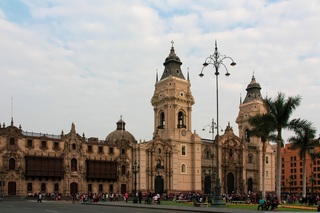
When people discuss great South American cities, Lima is often overlooked. But Peru's capital can hold its own against its neighbors. It has an oceanfront setti...
Full descriptionIsla de la Plata translates to ‘Island of Silver’, and the name was derived from the legend of swashbuckling pirate Sir Francis Drake’s buried silver treasure....
Full descriptionBahía Solano is located in splendid isolation; connected to the outside world by a single, small local airport. Tucked inside a bay, the small Columbian town is...
Full description
Cartagena's magnificent city walls and fortresses, now a UNESCO World Heritage Site, enclose a well-restored historic center (the Cuidad Amurallada, or walled c...
Full description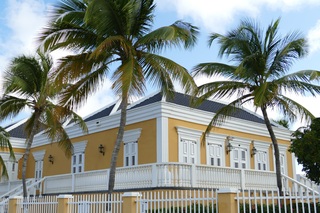
Blessed with an abundance of wildlife, the first thing visitors to Ile Royale will notice will be the sea turtles feeding along the pier, the iguanas basking on...
Full description
Belém, capital of the state of Pará, is a port city and gateway to Brazil’s lower Amazon region. By Guajará Bay, the riverfront district Cidade Velha (old town)...
Full description
When people discuss great South American cities, Lima is often overlooked. But Peru's capital can hold its own against its neighbors. It has an oceanfront setti...
Full descriptionIsla de la Plata translates to ‘Island of Silver’, and the name was derived from the legend of swashbuckling pirate Sir Francis Drake’s buried silver treasure....
Full descriptionBahía Solano is located in splendid isolation; connected to the outside world by a single, small local airport. Tucked inside a bay, the small Columbian town is...
Full description
Cartagena's magnificent city walls and fortresses, now a UNESCO World Heritage Site, enclose a well-restored historic center (the Cuidad Amurallada, or walled c...
Full description
Blessed with an abundance of wildlife, the first thing visitors to Ile Royale will notice will be the sea turtles feeding along the pier, the iguanas basking on...
Full description
Belém, capital of the state of Pará, is a port city and gateway to Brazil’s lower Amazon region. By Guajará Bay, the riverfront district Cidade Velha (old town)...
Full descriptionCallao
When people discuss great South American cities, Lima is often overlooked. But Peru's capital can hold its own against its neighbors. It has an oceanfront setting, colonial-era splendor, sophisticated dining, and nonstop nightlife.It's true that the city—clogged with traffic and choked with fumes—doesn't make a good first impression, especially since the airport is in an industrial neighborhood. But wander around the regal edifices surrounding the Plaza de Armas, among the gnarled olive trees of San Isidro's Parque El Olivar, or along the winding lanes in the coastal community of Barranco, and you'll find yourself charmed.In 1535 Francisco Pizarro found the perfect place for the capital of Spain's colonial empire. On a natural port, the so-called Ciudad de los Reyes (City of Kings) allowed Spain to ship home all the gold the conquistador plundered from the Inca. Lima served as the capital of Spain's South American empire for 300 years, and it's safe to say that no other colonial city enjoyed such power and prestige during this period.When Peru declared its independence from Spain in 1821, the declaration was read in the square that Pizarro had so carefully designed. Many of the colonial-era buildings around the Plaza de Armas are standing today. Walk a few blocks in any direction for churches and elegant houses that reveal just how wealthy this city once was. But the poor state of most buildings attests to the fact that the country's wealthy families have moved to neighborhoods to the south over the past century.The walls that surrounded the city were demolished in 1870, making way for unprecedented growth. A former hacienda became the graceful residential neighborhood of San Isidro. In the early 1920s the construction of tree-lined Avenida Arequipa heralded the development of neighborhoods such as bustling Miraflores and bohemian Barranco.Almost a third of the country's population of 29 million lives in the metropolitan area, many of them in relatively poor conos: newer neighborhoods on the outskirts of the city. Most residents of those neighborhoods moved there from mountain villages during the political violence and poverty that marked the 1980s and ’90s, when crime increased dramatically. During the past decade the country has enjoyed peace and steady economic growth, which have been accompanied by many improvements and refurbishment in the city. Residents who used to steer clear of the historic center now stroll along its streets. And many travelers who once would have avoided the city altogether now plan to spend a day here and end up staying two or three.
Isla de la Plata
Isla de la Plata translates to ‘Island of Silver’, and the name was derived from the legend of swashbuckling pirate Sir Francis Drake’s buried silver treasure. The popular legend states that in the 16th century, hundreds of tons of silver and gold were never fully recovered and are still hidden on the island. The island was privately owned until 1979, when it was declared part of Ecuador’s Machalilla National Park. Best known for its fauna, which is amazingly similar to that of the Galapagos Islands, Isla de la Plata is a delightful place for birding, photography and long nature walks. Although just south of the equator, the influences of the colder Humboldt Current bring nutrient-rich water as far north as Isla de la Plata.
Bahía Solano
Bahía Solano is located in splendid isolation; connected to the outside world by a single, small local airport. Tucked inside a bay, the small Columbian town is lined by the Pacific Ocean on one side and thick, impenetrable jungle flush with waterfalls on the other. The majority of the 10,000 residents work in local industries, which are predominantly fishing, agriculture and eco-tourism. In addition to a quaint town with its local schools, shops, businesses, church, and library, there is a small fishing port here with a display of the locally caught fish, which are flown out daily to the main cities of Colombia. The village also supports a regional botanical reserve that is dedicated to the protection and conservation of local wildlife through education and recovery.
Cartagena
Cartagena's magnificent city walls and fortresses, now a UNESCO World Heritage Site, enclose a well-restored historic center (the Cuidad Amurallada, or walled city) with plazas, churches, museums, and shops that have made it a lively coastal vacation spot for South Americans and others. New hotels and restaurants make the walled city a desirable place to stay, and the formerly down-at-the-heels Getsemaní neighborhood attracts those seeking a bohemian buzz. The historic center is a small section of Cartagena; many hotels are in the Bocagrande district, an elongated peninsula where high-rise hotels overlook a long, gray-sand beach.When it was founded in 1533 by Spanish conquistador Pedro de Heredia, Cartagena was the only port on the South American mainland. Gold and silver looted from indigenous peoples passed through here en route to Spain and attracted pirates, including Sir Francis Drake, who in 1586 torched 200 buildings. Cartagena's walls protected the city's riches as well as the New World's most important African slave market.
Ile Royale, Salvation Islands
Blessed with an abundance of wildlife, the first thing visitors to Ile Royale will notice will be the sea turtles feeding along the pier, the iguanas basking on rocks, and perhaps even the peacocks strolling along the road. At first glance, the island seems like paradise but scratch the surface and a much sombre past becomes clear. In fact, French Guiana was not always the tropical holiday destination it is today – far from it. During its penal colony days, being sent ‘en Guyane’ was the ultimate form of punishment, reserved primarily for the worst of France’s criminals (many will, of course, know the story of Henri Charriere aka Papillon, played by Steve McQueen in the film of the same name). Thankfully, Ile Royale – part of the three islands known as The Devil’s Islands (the smallest of which still retains the name today) has thrown off the shackles of its past and today embraces visitors in a rather more welcoming manner! If you decide to venture beyond the picture postcard long beach with swaying palm trees, historians will no doubt enjoy visiting the beautiful French colonial buildings, once home to the prison officers. Besides the officers’ quarters sits one of the highlights of Ile Royale – the prisoner-built chapel, dating from 1855. The most striking features, inside the wooden church, are the murals painted by convicted forger, Francis Lagrange. Other remains include the House of the Sisters, the military hospital and of course, the prison itself. Interestingly, in 1971 the Centre National d’Etudes Spatiales (or CNES, France’s equivalent to NASA) purchased the islands. As they sit in the flight path of most rocket launches, the islands must be evacuated on launch days.
Belem
Belém, capital of the state of Pará, is a port city and gateway to Brazil’s lower Amazon region. By Guajará Bay, the riverfront district Cidade Velha (old town) preserves Portuguese-colonial architecture, including churches, colorful azulejo-tile houses and a 17th-century fortification known as Forte do Presépio. Ver-o-Peso is a vast, open-air market on the water selling Amazonian fish, fruit and handicrafts.
Date & price
Departs
Tue 14 Mar 2028
from £9,830 pp
Enquire now Call 020 7590 0610Per person, based on two sharing, cruise only. Updated daily and confirmed when you book.