
Summary
Itinerary & Map
Bali really is as alluring as everyone says. This island, slightly bigger than Delaware, has it all: beaches, volcanoes, terraced rice fields, forests, renowned...
Full description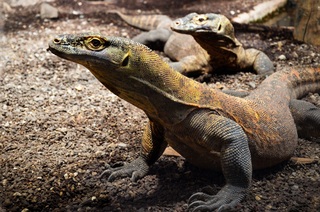
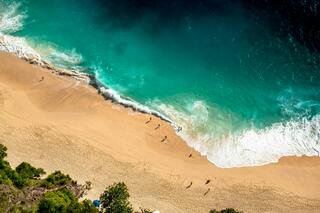
Pink Beach earned its name for the way the beach can appear to have a rosy hue in certain lights. The color comes from small flecks of red coral mixed in with t...
Full description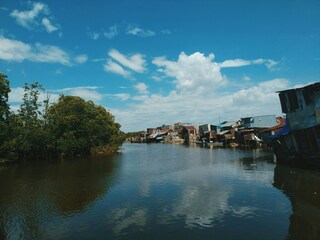
Bitung, located on the northern coast of Sulawesi, Indonesia, is a vibrant city renowned for its natural beauty and marine attractions. Serving as a gateway to...
Full description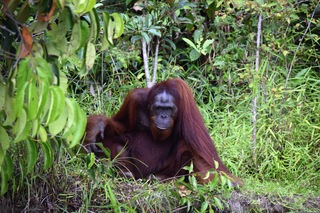
Borneo's forbidding interior made it less attractive to early traders and explorers than neighboring areas, so what is now the state of Sabah remained unexploit...
Full descriptionNeolithic sites recently discovered in West Sulawesi bear witness to man's presence on the island for millennia. Buddhist artifacts dating from the 4th & 5t...
Full description
Bali really is as alluring as everyone says. This island, slightly bigger than Delaware, has it all: beaches, volcanoes, terraced rice fields, forests, renowned...
Full description
Bali really is as alluring as everyone says. This island, slightly bigger than Delaware, has it all: beaches, volcanoes, terraced rice fields, forests, renowned...
Full description
Pink Beach earned its name for the way the beach can appear to have a rosy hue in certain lights. The color comes from small flecks of red coral mixed in with t...
Full description
Bitung, located on the northern coast of Sulawesi, Indonesia, is a vibrant city renowned for its natural beauty and marine attractions. Serving as a gateway to...
Full description
Borneo's forbidding interior made it less attractive to early traders and explorers than neighboring areas, so what is now the state of Sabah remained unexploit...
Full descriptionNeolithic sites recently discovered in West Sulawesi bear witness to man's presence on the island for millennia. Buddhist artifacts dating from the 4th & 5t...
Full description
Bali really is as alluring as everyone says. This island, slightly bigger than Delaware, has it all: beaches, volcanoes, terraced rice fields, forests, renowned...
Full descriptionBenoa, Bali
Bali really is as alluring as everyone says. This island, slightly bigger than Delaware, has it all: beaches, volcanoes, terraced rice fields, forests, renowned resorts, surfing, golf, and world-class dive sites. But what sets Bali apart from other nearby tropical destinations is Balinese tradition, and villagers dedicated to celebrating it. The hundreds of temples, dances, rituals, and crafts linked to their ancient Hindu faith aren't a show for tourists, but a living, breathing culture in which visitors are warmly received by the Balinese, who cherish their own identities.
Komodo Island
Pink Beach earned its name for the way the beach can appear to have a rosy hue in certain lights. The color comes from small flecks of red coral mixed in with the fine white reef sand. With a few trees along the beach for shade, this stretch of coast makes a fine place to relax or enjoy a snorkel or dive in the crystal clear waters. It is possible to spot a striped clown fish nestled among the protective tentacles of its sea anemone host, or to see a grouper lazily swimming by a flamboyant soft coral. The reef here is now protected by law and the maturing corals are a joy to behold.
Bitung, Sulawesi
Sandakan, Sabah
Borneo's forbidding interior made it less attractive to early traders and explorers than neighboring areas, so what is now the state of Sabah remained unexploited by the British until the late 19th century, although traders long visited for exotic items such as bird's nests (for the celebrated Chinese soup). In 1963, Sabah joined Sarawak, Malaya, and Singapore (which later seceded) in forming the Federation of Malaysia. Known as the "Land Below the Wind" because it's south of the typhoon belt, Sabah occupies Borneo's northern tip. It shares its southwestern border with Sarawak and the rest of its southern border with the Indonesian province of East Kalimantan. Today vast tracts of forest have been replaced by oil-palm plantations, and a sizable portion of remaining forest land is protected in national parks or conservation areas.On the shore of a deep bay, Sandakan was the capital of British North Borneo and one of the most important towns in Southeast Asia from the 1880s through the 1930s. But Japanese occupation during World War II and allied bombing virtually destroyed the town, and the capital was transferred to Jesselton (now Kota Kinabalu) in 1946. Sandakan enjoyed a revival in the 1970s as the center of the region's logging industry. Logging has since declined, but Sandakan is still worth visiting for its rich history and proximity to some of Borneo's most accessible wildlife attractions. Sandakan's downtown, much of it built on landfill, is squeezed between a steep promontory and Sandakan Bay. In recent years, this city of 450,000 (counting its extensive suburbs) has begun redeveloping its downtown waterfront into a shopping and nightlife hub. Its working harbor area for passengers and cargo is 6 km (4 miles) west of downtown.
Pare Pare
Neolithic sites recently discovered in West Sulawesi bear witness to man's presence on the island for millennia. Buddhist artifacts dating from the 4th & 5th centuries were discovered in South Sulawesi. This region was with its protected bays an ideal spot on the trade routes to drop anchor. In fact, the Bugis are reputed for their gift of boat building. The first Western visitors were Portuguese and, as many of their ships were wrecked off the coast of Minahassa, they gave the name "Celibes' (formidable) to the island. The Portuguese were followed by the Spanish who came preaching Christianity from their base in the Philippines. When the Dutch arrived, they chased all foreigners from the island and established trade monopolies. Despite the foreign influences, some tribes preserved their ancient pagan ceremonies and today fascinate the ever-growing number of visitors to the island. These are in particular the Toalans and the Torajans. Pare Pare is South Sulawesi's second city with a population of 100,000 although it feels more like a market town. It is used by cargo ships to unload goods destined for the local population. The town runs up the coast in a long narrow strip and is only 2 or 3 streets wide. The center is marked by a statue of a man standing on a map of Indonesia "Monument Rkayat Rejuan". In the mountainous northern region of South Sulawesi live the 320,000 Toraja people at an altitude of 1200 meters. These mountain people remained isolated from the outside world until the 20th century, and many of their traditions still remain. The Toraja world consisted of three classes of people: To Parengnge (nobles), the Makaka (commoners) and the Kaunan (slaves). Their life cycle is based around complementary elements of life and death, East and West, sunrise and sunset, morning and afternoon, left and right, etc. The Rituals of the East (rambu tuka) are the life giving elements - smoke ascending; rice, exorcism, birth, first haircut. The Rituals of the West (rambu solo) are death rituals. The Toraja life centers around the death rituals, which often involve two ceremonies, the second taking place several months to years later. They can be prohibitively expensive for families and involve elaborate wrapping and lamentation rites, funeral rituals involving the slaughter of many bulls.
Date & price
Departs
Thu 6 Apr 2028
from £8,466 pp
Enquire now Call 020 7590 0610Per person, based on two sharing, cruise only. Updated daily and confirmed when you book.