
Summary
Itinerary & Map
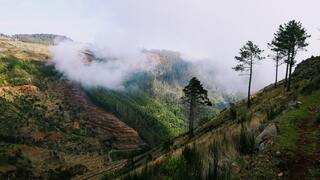
Formed by a volcanic eruption, Madeira lies in the Gulf Stream, about 500 miles due west of Casablanca. Discovered by Portuguese explorer João Gonçalves Zarco i...
Full description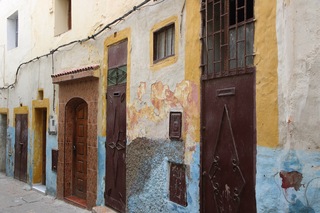
Safi’s natural harbor lies on the Atlantic in western Morocco and was once used by the Roman and the Phoenicians. By the 11th century gold, slaves and ivory wer...
Full description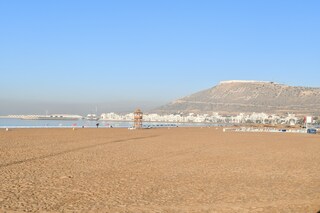
Shaped by the Atlas Mountains on one side, Agadir is framed on the other by a magnificent crescent-shaped beach. While little is known of the city’s origins, th...
Full description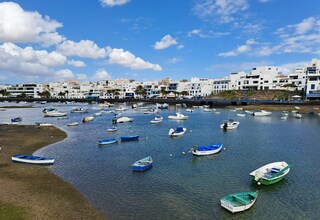
A volcanic island designated a UNESCO Biosphere Reserve, Lanzarote’s dramatic landscapes were shaped by an explosive past. Today, its pretty beaches and virtual...
Full descriptionKnown as the ‘Round Isle’, La Gomera is one of the oldest and smallest of the Canary Islands. Perhaps overshadowed by the obvious charms of its neighbour, Tener...
Full description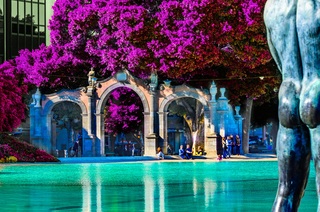
Also known as ‘La Isla Bonita’ (the beautiful island), La Palma is typified by lush forests of pine, laurel and fern which contrast with the rugged splendour of...
Full description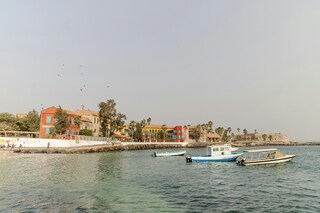
Dakar, set at the tip of the Cape Vert peninsula, is West Africa’s westernmost point and the capital of French-speaking Senegal. Although it was not founded unt...
Full description
Formed by a volcanic eruption, Madeira lies in the Gulf Stream, about 500 miles due west of Casablanca. Discovered by Portuguese explorer João Gonçalves Zarco i...
Full description
Safi’s natural harbor lies on the Atlantic in western Morocco and was once used by the Roman and the Phoenicians. By the 11th century gold, slaves and ivory wer...
Full description
Shaped by the Atlas Mountains on one side, Agadir is framed on the other by a magnificent crescent-shaped beach. While little is known of the city’s origins, th...
Full description
A volcanic island designated a UNESCO Biosphere Reserve, Lanzarote’s dramatic landscapes were shaped by an explosive past. Today, its pretty beaches and virtual...
Full descriptionKnown as the ‘Round Isle’, La Gomera is one of the oldest and smallest of the Canary Islands. Perhaps overshadowed by the obvious charms of its neighbour, Tener...
Full description
Also known as ‘La Isla Bonita’ (the beautiful island), La Palma is typified by lush forests of pine, laurel and fern which contrast with the rugged splendour of...
Full description
Dakar, set at the tip of the Cape Vert peninsula, is West Africa’s westernmost point and the capital of French-speaking Senegal. Although it was not founded unt...
Full descriptionFunchal, Madeira
Formed by a volcanic eruption, Madeira lies in the Gulf Stream, about 500 miles due west of Casablanca. Discovered by Portuguese explorer João Gonçalves Zarco in 1419, this beautiful island became part of Portugal’s vast empire and was named for the dense forest which cloaked it - 'Madeira' means 'wood' in Portuguese. Sugar plantations first brought wealth here, and when King Charles II of England granted an exclusive franchise to sell wine to England and its colonies, many British emigrants were drawn to the capital, Funchal. Today’s travellers come to Madeira for the varied and luxuriant scenery, from mountain slopes covered with vines to picturesque villages and a profusion of wild flowers. The natural beauty of the island has earned it many pseudonyms such as ‘The Floating Garden of the Atlantic’, 'The Island of Eternal Springtime' and ‘God’s Botanical Gardens’ and our selection of excursions aim to show you why.
Safi
Safi’s natural harbor lies on the Atlantic in western Morocco and was once used by the Roman and the Phoenicians. By the 11th century gold, slaves and ivory were the hot commodities being traded between Marrakesh and Guinea. Evolving through the ages to cater to the popular trade of the day, the major industry here today is fishing connected to the country's sardine industry, but there is also an economy based on exported phosphates, textiles and ceramics. The city was overseen by the Portuguese Empire in the 1500s, and a fortress built to safeguard the city by these Portuguese influences still stands today. Safi sits near the foothills of the snow-capped Atlas Mountains where Bedouins once camped.
Agadir
Shaped by the Atlas Mountains on one side, Agadir is framed on the other by a magnificent crescent-shaped beach. While little is known of the city’s origins, the Portuguese created a fortress here at the end of the 15th century, naming it Santa Cruz de Ghir. Freed from Portugal’s occupation by the Saadians in 1540, Agadir grew into a colourful and prosperous port and became newsworthy in 1911 when a German gunboat, the Panther, sailed into the bay as a protest against the division of North Africa between the Spanish and French. Morocco gained independence from the French in 1956, an event which was closely followed in Agadir by the tragic earthquake of 1960. The city, which has been rebuilt to represent the ‘new nation’, is blessed by fine sandy beaches overlooked by luxurious hotels and a great selection of cafés and restaurants. Please note that vendors in the souks can be very persistent and eager to make a sale.
Arrecife, Lanzarote
A volcanic island designated a UNESCO Biosphere Reserve, Lanzarote’s dramatic landscapes were shaped by an explosive past. Today, its pretty beaches and virtual absence of rain together with duty-free shopping make the island an extremely desirable destination. The main port and capital, Arrecife, is a pleasant town with a modern seafront and colourful gardens. Outside the capital there is plenty to explore, from the dazzling white salt flats of Janubio and the rugged terrain of Fire Mountain to the eerie caves of Los Verdes and an array of unspoilt fishing villages scattered around the coast. The island is home to a great selection of restaurants and local specialities including garbanzos compuestos – a chickpea stew; papas arrugadas – potatoes with carrots, peas, ham and green pepper; and of course, plenty of fresh seafood. Please note that those planning to participate in one of the shore excursions from this port may need to take an early lunch on board ship to suit the excursion schedules.
La Gomera
Known as the ‘Round Isle’, La Gomera is one of the oldest and smallest of the Canary Islands. Perhaps overshadowed by the obvious charms of its neighbour, Tenerife, from a distance this cone-shaped volcanic isle with its massive grey skyline can appear foreboding. But once ashore, a different world awaits discovery. Steep valleys and ravines hide a host of surprises such as terraced fields and laurel rain forests. The climb to the top of the island reveals breathtaking views and some rare flora and fauna in the mist-covered heights of Garajonay National Park, a UNESCO World Heritage Site. With a relatively modest tourist industry and less explored than its neighbouring islands, La Gomera is a fascinating place to visit. San Sebastian is the capital and main port of the island, set on the east coast and with a distinctly rural feel, with a few small plazas and colourful houses lining the hillside. The port is famous for its visit by Christopher Columbus, who stopped here in 1492 before sailing to the Americas.
Santa Cruz de La Palma
Also known as ‘La Isla Bonita’ (the beautiful island), La Palma is typified by lush forests of pine, laurel and fern which contrast with the rugged splendour of the gigantic Taburiente crater. The island is dotted with attractive villages, which are a delight to discover, and the capital Santa Cruz also makes for an interesting day of exploration. Perched on the edge of the volcanic crater of La Caldereta, Santa Cruz comfortably blends modern architecture with old colonial buildings. Perhaps visit the fascinating Natural History Museum, stroll around the historic quarters and the Plaza de Espana or travel a few miles outside the city to the exquisite Church of Our Lady. If you enjoy shopping, you can find reasonably priced silver jewellery, leather goods and beautifully embroidered clothes, tablecloths and napkins, a speciality of the Canary Islands.
Dakar
Dakar, set at the tip of the Cape Vert peninsula, is West Africa’s westernmost point and the capital of French-speaking Senegal. Although it was not founded until 1857, it is West Africa’s oldest European city and one of the most westernised. The opening of the Dakar-St Louis railway in 1885 put the town on the map; it subsequently became a French naval base and in 1904, the capital of Afrique Occidentale Française. It bears the legacy of Africa’s French colonial past, especially so in the downtown Plateau area, where the architecture is redolent of southern France. Every inch a modern city, Dakar is a frenetic buzz of activity, which can be startling. Perhaps sample the popular mint tea and try your hand at bartering in the colourful craft markets for traditional embroidery, woodcarvings, metalwork and costume jewellery.
Date & price
Departs
Sat 16 Oct 2027
from £6,063 pp
Enquire now Call 020 7590 0610Per person, based on two sharing, cruise only. Updated daily and confirmed when you book.