
Summary
Itinerary & Map
Sometimes referred to as the Mother City, Cape Town is the most famous port in South Africa and is influenced by many different cultures, including Dutch, Briti...
Full description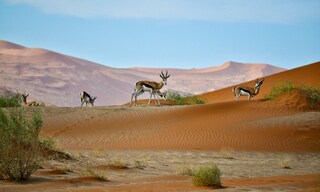
The reopening of the diamond mine at Elizabeth Bay 20 years ago has brought the development of tourism and fishing back to this small 19th century village on th...
Full description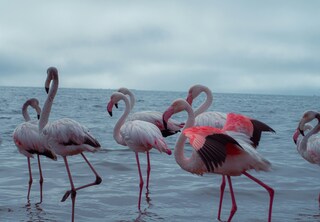
Once a whaling station, Walvis Bay provides a gateway to the extraordinary desert landscapes of Namibia and is itself an area of unusual natural beauty. The sho...
Full description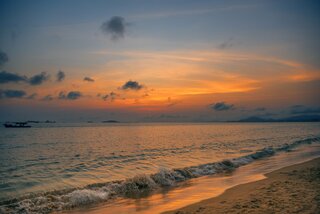
Located in the Gulf of Guinea on the west coast of Africa, Principe island is twinned with Sao Tome and home to beautiful scenery and a rich culture. Enjoy the...
Full descriptionIf you're sick of the usual beach resorts, then zesty Lomé will welcome you to a coastal destination that oozes with inimitable character. The former 'Jewel of...
Full description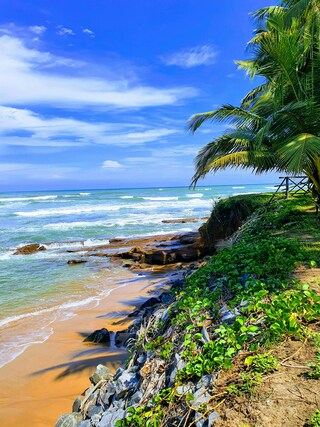
Ghana's fourth-largest city plays serene beaches against a bustling commercial centre. People from around the world visit the shore, both for its beauty and to...
Full description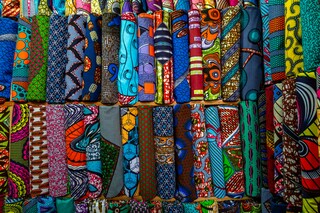
Three hours south of Yamoussoukro, nestled in between the canals and waterways, lies Abidjan the economic capital of the Ivory Coast. Considered the crossroads...
Full description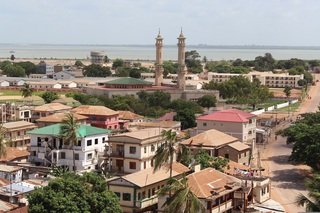
The tiny city of Banjul is the capital of The Gambia, a country that itself is little more than the banks of the mighty river that shares its name. Situated on...
Full description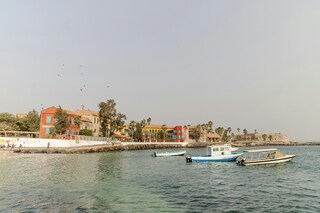
Dakar, set at the tip of the Cape Vert peninsula, is West Africa’s westernmost point and the capital of French-speaking Senegal. Although it was not founded unt...
Full description
Your next stop will be Cape Verde’s cultural capital, Mindelo. Get along with the locals listening to the real morna in the bars of the old town and sipping the...
Full description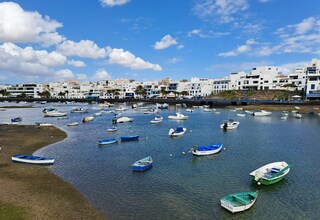
A volcanic island designated a UNESCO Biosphere Reserve, Lanzarote’s dramatic landscapes were shaped by an explosive past. Today, its pretty beaches and virtual...
Full description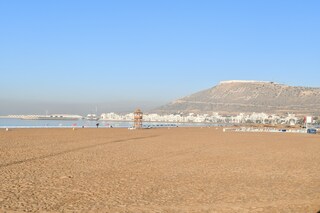
Shaped by the Atlas Mountains on one side, Agadir is framed on the other by a magnificent crescent-shaped beach. While little is known of the city’s origins, th...
Full description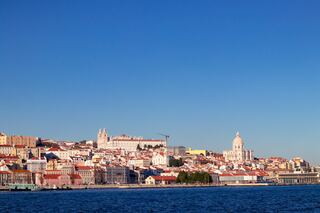
Set on seven hills on the banks of the River Tagus, Lisbon has been the capital of Portugal since the 13th century. It is a city famous for its majestic archite...
Full description
Sometimes referred to as the Mother City, Cape Town is the most famous port in South Africa and is influenced by many different cultures, including Dutch, Briti...
Full description
The reopening of the diamond mine at Elizabeth Bay 20 years ago has brought the development of tourism and fishing back to this small 19th century village on th...
Full description
Once a whaling station, Walvis Bay provides a gateway to the extraordinary desert landscapes of Namibia and is itself an area of unusual natural beauty. The sho...
Full description
Located in the Gulf of Guinea on the west coast of Africa, Principe island is twinned with Sao Tome and home to beautiful scenery and a rich culture. Enjoy the...
Full descriptionIf you're sick of the usual beach resorts, then zesty Lomé will welcome you to a coastal destination that oozes with inimitable character. The former 'Jewel of...
Full description
Ghana's fourth-largest city plays serene beaches against a bustling commercial centre. People from around the world visit the shore, both for its beauty and to...
Full description
Three hours south of Yamoussoukro, nestled in between the canals and waterways, lies Abidjan the economic capital of the Ivory Coast. Considered the crossroads...
Full description
The tiny city of Banjul is the capital of The Gambia, a country that itself is little more than the banks of the mighty river that shares its name. Situated on...
Full description
Dakar, set at the tip of the Cape Vert peninsula, is West Africa’s westernmost point and the capital of French-speaking Senegal. Although it was not founded unt...
Full description
Your next stop will be Cape Verde’s cultural capital, Mindelo. Get along with the locals listening to the real morna in the bars of the old town and sipping the...
Full description
A volcanic island designated a UNESCO Biosphere Reserve, Lanzarote’s dramatic landscapes were shaped by an explosive past. Today, its pretty beaches and virtual...
Full description
Shaped by the Atlas Mountains on one side, Agadir is framed on the other by a magnificent crescent-shaped beach. While little is known of the city’s origins, th...
Full description
Set on seven hills on the banks of the River Tagus, Lisbon has been the capital of Portugal since the 13th century. It is a city famous for its majestic archite...
Full descriptionCape Town (South Africa)
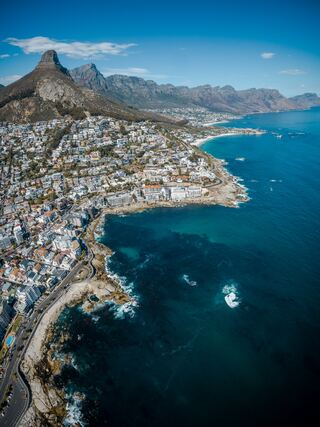
Sometimes referred to as the Mother City, Cape Town is the most famous port in South Africa and is influenced by many different cultures, including Dutch, British and Malay. The port was founded in 1652 by Dutch explorer Jan Van Riebeeck, and evidence of Dutch colonial rule remains throughout the region. The port is located on one of the world's most important trade routes, and is mainly a container port and handler of fresh fruit. Fishing is another vital industry, with large Asian fishing fleets using Cape Town as a logistical repair base for much of the year. The region is famous for its natural beauty, with the imposing Table Mountain and Lions Head, as well as the many nature reserves and botanical gardens such as Kirstenbosch which boasts an extensive range of indigenous plant life, including proteas and ferns. Cape Town's weather is mercurial, and can change from beautiful sunshine to dramatic thunderstorms within a short period. A local adage is that in Cape Town you can experience four seasons in one day.
Lüderitz (Namibia)
The reopening of the diamond mine at Elizabeth Bay 20 years ago has brought the development of tourism and fishing back to this small 19th century village on the barren, windswept Namib Desert coast. One of Namibias oddities, it has everything you'd expect from a small German town - delicatessens, coffee shops and a Lutheran church. Here, the icy but clean South Atlantic is home to seals, penguins and other marine life and the desolate beaches support flamingoes. It was founded in 1883 when Heinrich Vogelsang purchased Angra Pequena and some of the surrounding land on behalf of Adolf Lüderitz, a Hanseat from Germany, from the local Nama chief. Lüderitz began its life as a trading post, with other activities in fishing and guano-harvesting. As a sign of Luderitz's revival, 1996 staged the first traditional German Karneval since 1960.
Walvis Bay (Namibia)
Once a whaling station, Walvis Bay provides a gateway to the extraordinary desert landscapes of Namibia and is itself an area of unusual natural beauty. The showpiece of the Walvis Bay area is the natural lagoon where you can see flamingos in their thousands at certain times of the year, along with a variety of other wading birds such as the white pelican. Further inland you will find the stunning Namib Desert, which provides an unlikely home for a diverse array of wildlife. Alternatively, you could venture into the desert of Sossusvlei, whose mountainous ochre sand dunes are said to be the highest in the world, or visit the colonial town of Swakopmund.
Principe (Sao Tome And Principe)
Located in the Gulf of Guinea on the west coast of Africa, Principe island is twinned with Sao Tome and home to beautiful scenery and a rich culture. Enjoy the beautiful walks in Obo Natural Park, dive into the depths off the coasts of the many beaches and take a boat trip to see the whales and dolphins surrounding the islands.
Lome (Togo)
If you're sick of the usual beach resorts, then zesty Lomé will welcome you to a coastal destination that oozes with inimitable character. The former 'Jewel of West Africa' offers some wonderful beaches, and exports its delicious bounty of cocoa, coffee and pine kernels far and wide. A disorientating place, where stuttering engines and whizzing motorbikes add a chaotic essence to the city's streets, you’ll see vendors strolling with supplies balanced improbably on their heads, along with a healthy supply of intrigue, adventure and buzzing markets. Swarms of bikes and motorbikes dominate the coastal road, which borders the huge, palm tree lined Lomé beach – but the sand is wide enough for you to relax with the road merely a distant whisper. A treasure trove of traditional masks and statues wait for you to explore inside the National Museum, while the characterful Monument de l'Independance honours the country's sacrifices in its struggle for independence, and is a suitably defiant beacon of liberation.
Takoradi (Ghana)
Ghana's fourth-largest city plays serene beaches against a bustling commercial centre. People from around the world visit the shore, both for its beauty and to enjoy the fresh seafood served right on the sands. Frantic city life awaits a short distance inland, where an economy fuelled by Ghana’s oil industry is most apparent in the maze of vendors at Market Circle.
Abidjan (Côte D'ivoire)
Three hours south of Yamoussoukro, nestled in between the canals and waterways, lies Abidjan the economic capital of the Ivory Coast. Considered the crossroads of West Africa both economically and culturally, Abidjan benefits from clement temperatures year round, reaching average highs of around 88˚ Fahrenheit, or 30˚ Celsius. Like much of West Africa, this city has cachet and soul, and enjoys a diversity of cultures, traditions and people, notably through the French influence, but also through the steady stream of tourists that make the city both vibrant and cosmopolitan. Although its reputation was tarnished during the civil war in 2011, Abidjan held firm and has blossomed into a stunning coastal city, ripe for exploration.
Laem Chabang (Thailand)
The tiny city of Banjul is the capital of The Gambia, a country that itself is little more than the banks of the mighty river that shares its name. Situated on St Mary’s Island, where the River Gambia joins the Atlantic, Bathurst, as Banjul was previously called, was established by the British in the early nineteenth century as a naval outpost dedicated to putting a halt to the trade in human beings. In 1943, Franklin Roosevelt visited Banjul on his way to the Casablanca conference with Churchill, becoming the first serving American president to visit Africa. Today, Banjul plays host to a thriving tourist trade, thanks to its pleasant climate, and is the political centre for the oldest democracy in Africa.
Dakar (Senegal)
Dakar, set at the tip of the Cape Vert peninsula, is West Africa’s westernmost point and the capital of French-speaking Senegal. Although it was not founded until 1857, it is West Africa’s oldest European city and one of the most westernised. The opening of the Dakar-St Louis railway in 1885 put the town on the map; it subsequently became a French naval base and in 1904, the capital of Afrique Occidentale Française. It bears the legacy of Africa’s French colonial past, especially so in the downtown Plateau area, where the architecture is redolent of southern France. Every inch a modern city, Dakar is a frenetic buzz of activity, which can be startling. Perhaps sample the popular mint tea and try your hand at bartering in the colourful craft markets for traditional embroidery, woodcarvings, metalwork and costume jewellery.
Mindelo, São Vicente Island (Cape Verde)
Your next stop will be Cape Verde’s cultural capital, Mindelo. Get along with the locals listening to the real morna in the bars of the old town and sipping the local drink, a sugarcane spirit. This island is also known by its British and Portuguese colonial architecture and pastel-coloured houses, the municipal market and the facades of the old Governor’s Palace.
Arrecife, Lanzarote (Spain)
A volcanic island designated a UNESCO Biosphere Reserve, Lanzarote’s dramatic landscapes were shaped by an explosive past. Today, its pretty beaches and virtual absence of rain together with duty-free shopping make the island an extremely desirable destination. The main port and capital, Arrecife, is a pleasant town with a modern seafront and colourful gardens. Outside the capital there is plenty to explore, from the dazzling white salt flats of Janubio and the rugged terrain of Fire Mountain to the eerie caves of Los Verdes and an array of unspoilt fishing villages scattered around the coast. The island is home to a great selection of restaurants and local specialities including garbanzos compuestos – a chickpea stew; papas arrugadas – potatoes with carrots, peas, ham and green pepper; and of course, plenty of fresh seafood. Please note that those planning to participate in one of the shore excursions from this port may need to take an early lunch on board ship to suit the excursion schedules.
Agadir (Morocco)
Shaped by the Atlas Mountains on one side, Agadir is framed on the other by a magnificent crescent-shaped beach. While little is known of the city’s origins, the Portuguese created a fortress here at the end of the 15th century, naming it Santa Cruz de Ghir. Freed from Portugal’s occupation by the Saadians in 1540, Agadir grew into a colourful and prosperous port and became newsworthy in 1911 when a German gunboat, the Panther, sailed into the bay as a protest against the division of North Africa between the Spanish and French. Morocco gained independence from the French in 1956, an event which was closely followed in Agadir by the tragic earthquake of 1960. The city, which has been rebuilt to represent the ‘new nation’, is blessed by fine sandy beaches overlooked by luxurious hotels and a great selection of cafés and restaurants. Please note that vendors in the souks can be very persistent and eager to make a sale.
Lisbon (Portugal)
Set on seven hills on the banks of the River Tagus, Lisbon has been the capital of Portugal since the 13th century. It is a city famous for its majestic architecture, old wooden trams, Moorish features and more than twenty centuries of history. Following disastrous earthquakes in the 18th century, Lisbon was rebuilt by the Marques de Pombal who created an elegant city with wide boulevards and a great riverfront and square, Praça do Comércio. Today there are distinct modern and ancient sections, combining great shopping with culture and sightseeing in the Old Town, built on the city's terraced hillsides. The distance between the ship and your tour vehicle may vary. This distance is not included in the excursion grades.
Date & price
Departs
Sun 7 Feb 2027
from £7,729 pp
Enquire now Call 020 7590 0610Per person, based on two sharing, cruise only. Updated daily and confirmed when you book.