
Summary
Explore the luxurious Pacific Coast of Costa Rica during a journey looped from Puntarenas. From Guanacaste to the Osa Peninsula, set off to discover incredible wildlife and explore emblematic national parks, guided by the song of the howler monkeys, the slow movements of sloths, the hypnotic colours of the macaws and other fascinating species. In this biodiversity sanctuary, mangroves, tropical forests and beaches of black sand are perfect illustrations of the country’s mantra: Pura Vida, meaning a pure life, one that is harmonious and closely linked to nature
Itinerary & Map
This town is not on the Nicoya Peninsula, but rather on Costa Rica's mainland. It is best known as a cruise-ship port and launching pad for ferries heading sout...
Full description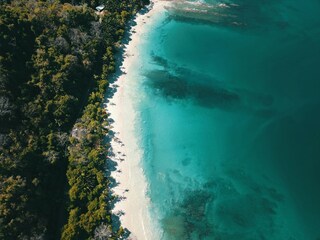
Wild, scenic and incredibly bio-diverse, Golfo Dulce is not on most tourists itineraries. The name, says it all, Golfo Dulce or sweet gulf, in English. After a...
Full description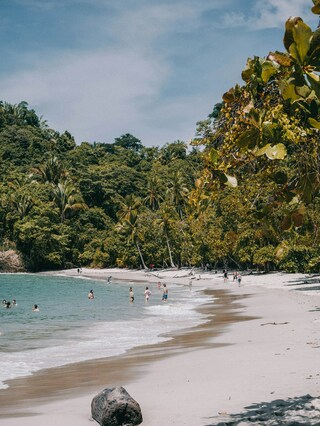
Cocos Island (Isla del Coco in Spanish) is an uninhabited island located off the shore of Costa Rica. It is a National & Marine Park and UNESCO World Herita...
Full description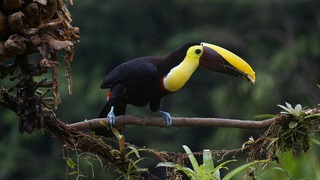
Located on the southeast tip of the Nicoya Peninsula, the Curu Wildlife Refuge is known for its pristine, white-sand beaches and impressive variety of species r...
Full description
This town is not on the Nicoya Peninsula, but rather on Costa Rica's mainland. It is best known as a cruise-ship port and launching pad for ferries heading sout...
Full description
This town is not on the Nicoya Peninsula, but rather on Costa Rica's mainland. It is best known as a cruise-ship port and launching pad for ferries heading sout...
Full description
Wild, scenic and incredibly bio-diverse, Golfo Dulce is not on most tourists itineraries. The name, says it all, Golfo Dulce or sweet gulf, in English. After a...
Full description
Cocos Island (Isla del Coco in Spanish) is an uninhabited island located off the shore of Costa Rica. It is a National & Marine Park and UNESCO World Herita...
Full description
Located on the southeast tip of the Nicoya Peninsula, the Curu Wildlife Refuge is known for its pristine, white-sand beaches and impressive variety of species r...
Full description
This town is not on the Nicoya Peninsula, but rather on Costa Rica's mainland. It is best known as a cruise-ship port and launching pad for ferries heading sout...
Full descriptionPuntarenas
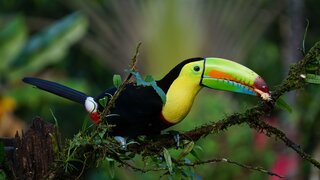
This town is not on the Nicoya Peninsula, but rather on Costa Rica's mainland. It is best known as a cruise-ship port and launching pad for ferries heading southeast to the coast of the Nicoya Peninsula and for cruises sailing out on the Gulf of Nicoya. Puntarenas is also a major fishing port with a lively fish market. The town’s reputation suffers from the unimpressive parts you see from your car as you roll through town on the way to the ferry dock. But the town has a lot of character off the main drag, thanks to its illustrious past as an affluent port town and principal vacation spot for San José's wealthy, who arrived by train in the last century. Once the port was moved and roads opened to other beaches, Puntarenas's economy crashed, but it's making a comeback. Sitting on a narrow spit of sand—punta de arenas literally means "point of sand"—that protrudes into the Gulf of Nicoya, the town boasts a beautifully groomed, wide Blue Flag beach with views of the Nicoya Peninsula and spectacular sunsets, along with a public swimming pool, the San Lucas Beach Club, and a marine-life museum. Ticos arrive by bus and car to enjoy the beach and stroll the Paseo de los Turistas, a beachfront promenade lined with tree-shaded concrete benches and seafood restaurants. Crowds of locals, called porteños, cruise by on bicycles, the town’s most popular form of transport.
Golfo Dulce and Puerto Jimenez, Costa Rica
Wild, scenic and incredibly bio-diverse, Golfo Dulce is not on most tourists itineraries. The name, says it all, Golfo Dulce or sweet gulf, in English. After a well justified visit to the Golfo Dulce, located in the South Pacific region of Costa Rica, and adjacent to the Osa Peninsula, visitors will be delighted and perplexed, wondering why they would ever leave this wonderland. Several coastal hamlets reside along this enchanting gulf, namely Puerto Jiménez, Golfito, Zancudo and Pavones, as well as the Piedras Blancas National Park. This is one stop on the itinerary that won’t soon be forgotten. Easily one of the wettest and most humid sections in the country, Golfo Dulce and the southwest can receive more than 200 inches (500 cm) of rainfall per year. This assures the surrounding area will be thriving with wild and plant life, perfect for aspiring adventurers. Surrounded by Corcovado National Park to the southwest, and Costa Rica’s mainland to the northeast, Golfo Dulce serves up a large platter of entertainment for all who visit. Sprouting along the edges of the Golfo Dulce are mangroves and estuaries full of wildlife. Explore these ecosystems crowded with crocodiles, river otters, waterfowl, monkeys and much more. Fed by the Coto Colorado River, the Coto River Swamps are an excellent choice for discovering these uncanny wetlands and the secrets that lay within.
Cocos Island
Cocos Island (Isla del Coco in Spanish) is an uninhabited island located off the shore of Costa Rica. It is a National & Marine Park and UNESCO World Heritage site and is surrounded by deep waters with counter-currents, offering excellent environments for many different species of fish. The beauty of Cocos has inspired tales of pirate treasure and the island was one of Jacques Cousteau’s favorite places. Seabirds also favor Isla del Coco including Brown boobies, Red-footed Boobies and Great Frigatebirds. The three endemic land bird species call the island home; the Cocos Cuckoo, Cocos flycatcher, and Cocos finch.
Curú Wildlife Refuge and Tortuga Island
Located on the southeast tip of the Nicoya Peninsula, the Curu Wildlife Refuge is known for its pristine, white-sand beaches and impressive variety of species ranging from monkeys to sand crabs. In total the refuge covers 3,707 total acres and 656 feet of coastline. Travelers to the Curu Wildlife Refuge will quickly notice that they are in the minority at the site, with only a few people in the area among the abundance of animals and sea creatures. All of your senses will be captivated by this overwhelming amount of wildlife at the reserve, which offers some of the best eco-tourism in Costa Rica. Curu officially received support from the Costa Rican government to protect its wildlife in 1981 and the area officially became known as the Curu Wildlife Refuge in 1983. Today, the refuge is privately owned, extremely-well cared for and even more exclusive than many of the national parks in the country. If you're looking to participate in some of the vast eco-tourism opportunities in Costa Rica, the refuge should be a top priority because of its exclusivity and the ability of visitors to personally interact with the diverse animal population. The refuge also features 17 peaceful trails, where travellers can check out this abundant wildlife in a number of different ecosystems, including mangrove swamps and both dry and wet tropical forests.
Dates & prices
Select guest
Departs
Thu 30 Nov 2028
Le Bellot
from £4,110 pp
Enquire now Call 020 7590 0610Per person, based on two sharing, cruise only. Updated daily and confirmed when you book.