
Summary
In the heart of Melanesia lies a world of unspoilt islands where volcanic archipelagos and ancestral cultures shape landscapes of rare intensity. From Fiji to Vanuatu and on to the Solomon Islands, you will be charmed by the diversity of these distant lands and their enduring traditions. In the Fijian islands of Viti Levu and the Yasawas, coastal villages, palm-fringed beaches and kava traditions offer an authentic immersion, before giving way to the spectacular landscapes of Vanuatu, from Tanna and Ambrym, two active volcanoes, to the tropical forests and deeply rooted kastom traditions of Malekula. Around Espiritu Santo and the northern islands of Vanuatu, translucent lagoons, mangroves and blue holes create enchanting landscapes rich in unique biodiversity. Finally, in the Solomon Islands, from Nendö to Santa Ana, you will be captivated by remote villages that bear witness to an island heritage steeped in ancestral traditions. As the journey unfolds, snorkeling and local encounters will bring you closer to the lush and vibrant natural world.
Itinerary & Map
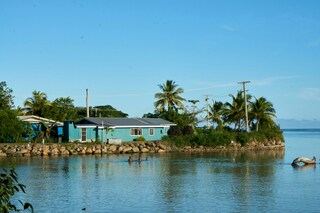
North of Nadi through sugarcane plantations and past the Sabeto Mountains is Lautoka, nicknamed the Sugar City for the local agriculture and its big processing...
Full description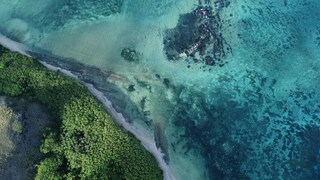
Nabukeru is the largest village located within the grouping of the 20 volcanic islands that make up the Yasawa Islands in Fiji. Until 1987 these islands were cl...
Full descriptionUnlike Espiritu Santo with its raised coral reefs and white sand, Ambrym is a volcanically active island with dark sand beaches. Ambrym is known as the island o...
Full descriptionPort Mary is the name of the bay adjacent to Ghupuna, the main village in Santa Ana. A bright white sand beach with huge shade-giving trees runs along the shore...
Full description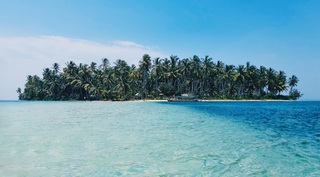
Honiara is the capital city of the Solomon Islands on the north-western coast of Guadalcanal Island. It is the hub of all activity in the archipelago which has...
Full description
North of Nadi through sugarcane plantations and past the Sabeto Mountains is Lautoka, nicknamed the Sugar City for the local agriculture and its big processing...
Full description
Nabukeru is the largest village located within the grouping of the 20 volcanic islands that make up the Yasawa Islands in Fiji. Until 1987 these islands were cl...
Full descriptionUnlike Espiritu Santo with its raised coral reefs and white sand, Ambrym is a volcanically active island with dark sand beaches. Ambrym is known as the island o...
Full descriptionPort Mary is the name of the bay adjacent to Ghupuna, the main village in Santa Ana. A bright white sand beach with huge shade-giving trees runs along the shore...
Full description
Honiara is the capital city of the Solomon Islands on the north-western coast of Guadalcanal Island. It is the hub of all activity in the archipelago which has...
Full descriptionLautoka
North of Nadi through sugarcane plantations and past the Sabeto Mountains is Lautoka, nicknamed the Sugar City for the local agriculture and its big processing mill. With a population of around 50,000, it's the only city besides Suva and, like the capital, has a pleasant waterfront. It's the sailing point for Blue Lagoon and Beachcomber Cruises but is otherwise unremarkable for tourists, itself having few hotels and fewer good restaurants. Locals recommend the city as a less-expensive place to shop for clothing, but note that it can take as long as 45 minutes to drive here. Legend has it that Lautoka acquired its name when two chiefs engaged in combat and one hit the other with a spear. He proclaimed "lau toka" (spear hit) and thus the future town was named.
Yasawa Island
Nabukeru is the largest village located within the grouping of the 20 volcanic islands that make up the Yasawa Islands in Fiji. Until 1987 these islands were closed to land-based tourism and could only be viewed from aboard a vessel. With their clear, aquamarine waters and ecologically diverse tropical, mountainous landscapes, these islands were the location for the filming of the romantic adventure film The Blue Lagoon (both the 1949 and 1980 versions). The islands are famous for the limestone Sawa-i-lau caves, which must be accessed by swimming at low tide through an underwater tunnel. Nabukeru villagers assert that the cave is the heart of the Yasawas.
Ambrym
Unlike Espiritu Santo with its raised coral reefs and white sand, Ambrym is a volcanically active island with dark sand beaches. Ambrym is known as the island of magic and is the source of five local languages that all evolved on Ambrym. This handful of languages contributes to the well over 100 languages of Vanuatu. Some of Ambrym’s magic takes place in the lush greenery of the local community of Ranon. Here the people perform a very special and traditional ‘Rom’ dance. Participants prepare their masks and costumes in secrecy and the dance is reserved for special occasions.
Santa Ana Island
Port Mary is the name of the bay adjacent to Ghupuna, the main village in Santa Ana. A bright white sand beach with huge shade-giving trees runs along the shoreline in front of the tidy village. The houses here are made with local materials and most are built on stilts. Islanders generally welcome visitors with traditional songs and dances performed by members of the three different villages on Santa Ana. Some local people will also set up stands offering souvenirs for purchase. The Solomons are best known for strings of traditional shell money and elegant carvings based on local stories and legends.
Honiara, Guadalcanal Island
Honiara is the capital city of the Solomon Islands on the north-western coast of Guadalcanal Island. It is the hub of all activity in the archipelago which has recently undergone an ‘urban boom’. Discover the cities beautiful landscapes and the significance of the city in the World War II.
Date & price
Select guest
Departs
Fri 21 Jan 2028
from £9,730 pp
Enquire now Call 020 7590 0610Per person, based on two sharing, cruise only. Updated daily and confirmed when you book.