
Summary
From the Dominican Republic to the volcanic shores of Martinique, set off on a journey around the Lesser Antilles. During this trip around the British Virgin Islands, Montserrat, Guadeloupe and Dominica, discover lands shaped by the elements, with spectacular reliefs, lush forests and a sea of profound shades. Explore vibrant island cultures, heirs to a blend of influences, and surrender to a way of life imbued with Creole authenticity.
Itinerary & Map
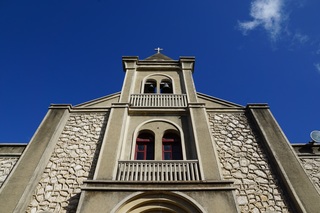
La Romana is a city on the Dominican Republic’s Caribbean coast and a gateway to nearby resort areas. Overlooking the Chavón River, Altos de Chavón is a re-crea...
Full description
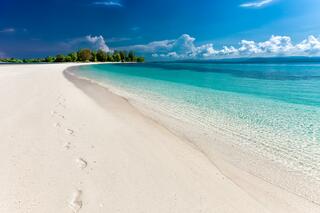
Virgin Gorda, or "Fat Virgin," received its name from Christopher Columbus. The explorer envisioned the island as a pregnant woman in a languid recline, with Go...
Full description
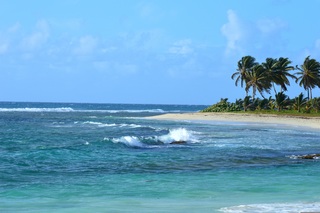
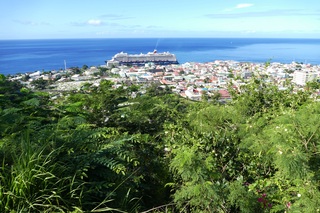
Although it's one of the smallest capitals in the Caribbean, Roseau has the highest concentration of inhabitants of any town in the eastern Caribbean. Caribbean...
Full description
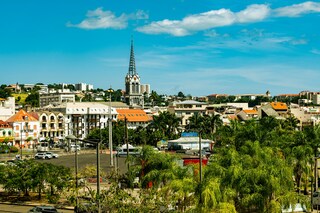
The largest of the Windward Islands, Martinique is 4,261 mi (6,817 km) from Paris, but its spirit and language are decidedly French, with more than a soupçon of...
Full description
La Romana is a city on the Dominican Republic’s Caribbean coast and a gateway to nearby resort areas. Overlooking the Chavón River, Altos de Chavón is a re-crea...
Full description
Virgin Gorda, or "Fat Virgin," received its name from Christopher Columbus. The explorer envisioned the island as a pregnant woman in a languid recline, with Go...
Full description
Although it's one of the smallest capitals in the Caribbean, Roseau has the highest concentration of inhabitants of any town in the eastern Caribbean. Caribbean...
Full description
The largest of the Windward Islands, Martinique is 4,261 mi (6,817 km) from Paris, but its spirit and language are decidedly French, with more than a soupçon of...
Full descriptionLa Romana
La Romana is a city on the Dominican Republic’s Caribbean coast and a gateway to nearby resort areas. Overlooking the Chavón River, Altos de Chavón is a re-created 16th-century Mediterranean village with artists' workshops. An obelisk painted with colorful images of local life stands in the city center. South of the city is Catalina Island, with beaches, coral reefs and the wrecked ship of pirate William Kidd.
Spanish Town, Virgin Gorda
Virgin Gorda, or "Fat Virgin," received its name from Christopher Columbus. The explorer envisioned the island as a pregnant woman in a languid recline, with Gorda Peak being her belly and the boulders of the Baths as her toes. Different in topography from Tortola, with an arid landscape covered with scrub brush and cactus, the pace of life is slower here, too. Goats and cattle own the right of way, and the unpretentious friendliness of the people is winning. The top sight (and beach for that matter) is the Baths, which draws scores of cruise-ship passengers and day-trippers to its giant boulders and grottoes that form a perfect snorkeling environment.
Roseau
Although it's one of the smallest capitals in the Caribbean, Roseau has the highest concentration of inhabitants of any town in the eastern Caribbean. Caribbean vernacular architecture and a bustling marketplace transport visitors back in time. Although you can walk the entire town in about an hour, you'll get a much better feel for the place on a leisurely stroll. For some years now, the Society for Historical Architectural Preservation and Enhancement (SHAPE) has organized programs and projects to preserve the city's architectural heritage. Several interesting buildings have already been restored. Lilac House, on Kennedy Avenue, has three types of gingerbread fretwork, latticed verandah railings, and heavy hurricane shutters. The J.W. Edwards Building, at the corner of Old and King George V sreets, has a stone base and a wooden second-floor gallery. The Old Market Plaza is the center of Roseau's historic district, which was laid out by the French on a radial plan rather than a grid, so streets such as Hanover, King George V, and Old radiate from this area. South of the marketplace is the Fort Young Hotel, built as a British fort in the 18th century; the nearby statehouse, public library, and Anglican cathedral are also worth a visit. New developments at the bay front on Dame M.E. Charles Boulevard have brightened up the waterfront.
Fort-de-France
The largest of the Windward Islands, Martinique is 4,261 mi (6,817 km) from Paris, but its spirit and language are decidedly French, with more than a soupçon of West Indian spice. Tangible, edible evidence of the fact is the island's cuisine, a superb blend of French and creole. Martinique is lushly landscaped with tropical flowers. Trees bend under the weight of fruits such as mangoes, papayas, lemons, limes, and bright-red West Indian cherries. Acres of banana plantations, pineapple fields, and waving sugarcane stretch to the horizon. The towering mountains and verdant rain forest in the north lure hikers, while underwater sights and sunken treasures attract snorkelers and scuba divers. Martinique is also wonderful if your idea of exercise is turning over every 10 minutes to get an even tan and your taste in adventure runs to duty-free shopping. A popular cruise-ship excursion goes to St-Pierre, which was buried by ash when Mont Pelée erupted in 1902.
Date & price
Select guest
Departs
Wed 9 Feb 2028
from £4,380 pp
Enquire now Call 020 7590 0610Per person, based on two sharing, cruise only. Updated daily and confirmed when you book.