
Summary
Itinerary & Map
From Wall Street's skyscrapers to the neon of Times Square to Central Park's leafy paths, New York City pulses with an irrepressible energy. History meets hipne...
Full description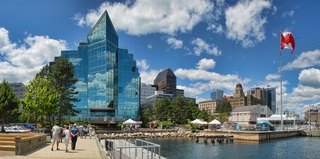
Surrounded by natural treasures and glorious seascapes, Halifax is an attractive and vibrant hub with noteworthy historic and modern architecture, great dining...
Full description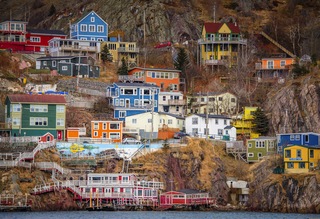
Old meets new in the province's capital (metro-area population a little more than 200,000), with modern office buildings surrounded by heritage shops and colorf...
Full description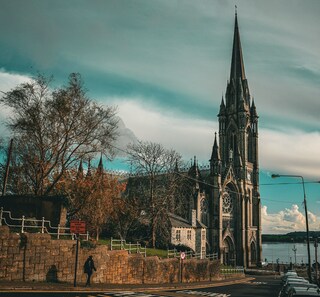
Cork City's nearby harbor district has seen plenty of history. Cork Harbour's draws include Fota Island—with an arboretum, a wildlife park, and the Fota House a...
Full description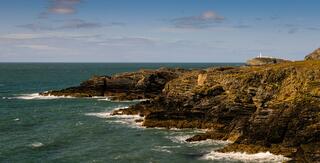
Once a northern defense post against Irish raiders, Holyhead later became best known as a ferry port for Ireland. The dockside bustle is not matched by the town...
Full description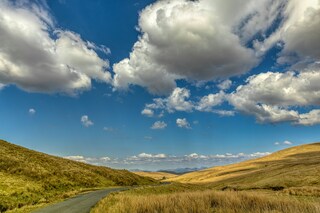
Trendy stores, a booming cultural life, fascinating architecture, and stylish restaurants reinforce Glasgow's claim to being Scotland's most exciting city. Afte...
Full description
Trendy stores, a booming cultural life, fascinating architecture, and stylish restaurants reinforce Glasgow's claim to being Scotland's most exciting city. Afte...
Full description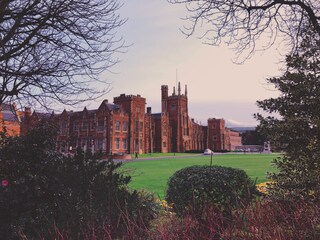
Before English and Scottish settlers arrived in the 1600s, Belfast was a tiny village called Béal Feirste ("sandbank ford") belonging to Ulster's ancient O'Neil...
Full description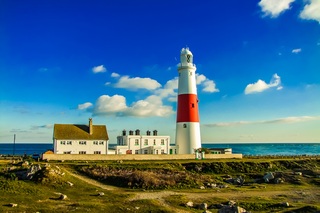
The Isle of Portland is a tied island, 6 kilometres long by 2.7 kilometres wide, in the English Channel. The southern tip, Portland Bill lies 8 kilometres south...
Full description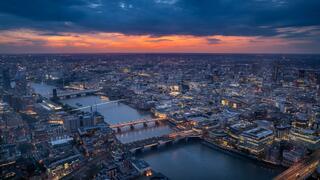
Just 22 nautical miles down river from the Tower Bridge in London, Tilbury is a popular turnaround port for cruises visiting Baltic and Northern European destin...
Full description
Just 22 nautical miles down river from the Tower Bridge in London, Tilbury is a popular turnaround port for cruises visiting Baltic and Northern European destin...
Full description
Hamburg is Germany’s second-largest city with a history dating back to Charlemagne. A major port, this vibrant city is home to art and culture, extensive shoppi...
Full description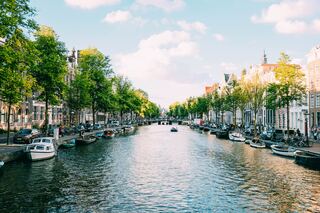
Amsterdam combines the unrivaled beauty of the 17th-century Golden Age city center with plenty of museums and art of the highest order, not to mention a remarka...
Full description
In 1895 work began to construct a new seaport and harbour next to the tiny village of Zeebrugge, situated on the North Sea coast. Today the fast-expanding port...
Full description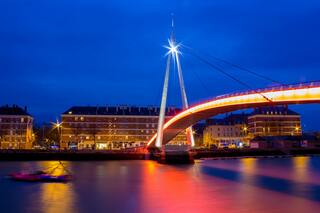
Le Havre, founded by King Francis I of France in 1517, is located inUpper Normandy on the north bank of the mouth of the River Seine, which isconsidered the mos...
Full description
Time in Bilbao (Bilbo, in Euskera) may be recorded as BG or AG (Before Guggenheim or After Guggenheim). Never has a single monument of art and architecture so r...
Full description
La Coruña, the largest city in Spain's Galicia region, is among the country's busiest ports. The remote Galicia area is tucked into the northwest corner of the...
Full description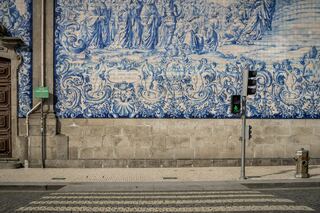
Lively, commercial Oporto is the second largest city in Portugal after Lisbon. Also called Porto for short, the word easily brings to mind the city's most famou...
Full description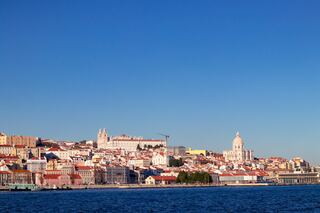
Set on seven hills on the banks of the River Tagus, Lisbon has been the capital of Portugal since the 13th century. It is a city famous for its majestic archite...
Full description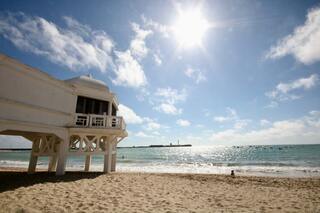
Believed to be the oldest town on the Iberian Peninsula, the Andalusian port of Cádiz enjoys a stunning location at the edge of a six-mile promontory. The town...
Full description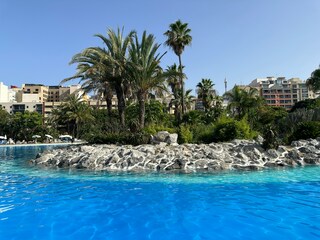
The autonomous city of Ceuta is a tiny Spanish city-enclave on the Moroccan side of the Straits of Gibraltar, separated from the Spanish mainland by just 12 mil...
Full description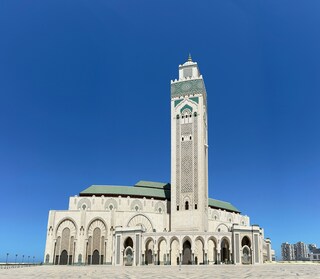
The original settlement formed on the site of Casablanca by the Berbers became the kingdom of Anfa, and during the 15th century harboured pirates who raided the...
Full description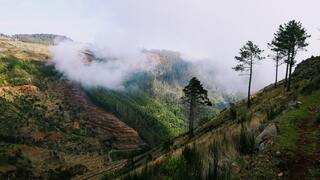
Formed by a volcanic eruption, Madeira lies in the Gulf Stream, about 500 miles due west of Casablanca. Discovered by Portuguese explorer João Gonçalves Zarco i...
Full description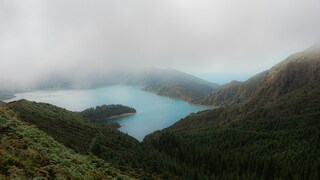
Offering solace on the long journey across the Atlantic, Ponta Delgada is the Azores Islands' largest city, and a welcome relief for any weary sailor. Located o...
Full description
From Wall Street's skyscrapers to the neon of Times Square to Central Park's leafy paths, New York City pulses with an irrepressible energy. History meets hipne...
Full description
Old meets new in the province's capital (metro-area population a little more than 200,000), with modern office buildings surrounded by heritage shops and colorf...
Full description
From Wall Street's skyscrapers to the neon of Times Square to Central Park's leafy paths, New York City pulses with an irrepressible energy. History meets hipne...
Full description
Surrounded by natural treasures and glorious seascapes, Halifax is an attractive and vibrant hub with noteworthy historic and modern architecture, great dining...
Full description
Old meets new in the province's capital (metro-area population a little more than 200,000), with modern office buildings surrounded by heritage shops and colorf...
Full description
Cork City's nearby harbor district has seen plenty of history. Cork Harbour's draws include Fota Island—with an arboretum, a wildlife park, and the Fota House a...
Full description
Once a northern defense post against Irish raiders, Holyhead later became best known as a ferry port for Ireland. The dockside bustle is not matched by the town...
Full description
Trendy stores, a booming cultural life, fascinating architecture, and stylish restaurants reinforce Glasgow's claim to being Scotland's most exciting city. Afte...
Full description
Trendy stores, a booming cultural life, fascinating architecture, and stylish restaurants reinforce Glasgow's claim to being Scotland's most exciting city. Afte...
Full description
Before English and Scottish settlers arrived in the 1600s, Belfast was a tiny village called Béal Feirste ("sandbank ford") belonging to Ulster's ancient O'Neil...
Full description
The Isle of Portland is a tied island, 6 kilometres long by 2.7 kilometres wide, in the English Channel. The southern tip, Portland Bill lies 8 kilometres south...
Full description
Just 22 nautical miles down river from the Tower Bridge in London, Tilbury is a popular turnaround port for cruises visiting Baltic and Northern European destin...
Full description
Just 22 nautical miles down river from the Tower Bridge in London, Tilbury is a popular turnaround port for cruises visiting Baltic and Northern European destin...
Full description
Hamburg is Germany’s second-largest city with a history dating back to Charlemagne. A major port, this vibrant city is home to art and culture, extensive shoppi...
Full description
Amsterdam combines the unrivaled beauty of the 17th-century Golden Age city center with plenty of museums and art of the highest order, not to mention a remarka...
Full description
In 1895 work began to construct a new seaport and harbour next to the tiny village of Zeebrugge, situated on the North Sea coast. Today the fast-expanding port...
Full description
Le Havre, founded by King Francis I of France in 1517, is located inUpper Normandy on the north bank of the mouth of the River Seine, which isconsidered the mos...
Full description
Time in Bilbao (Bilbo, in Euskera) may be recorded as BG or AG (Before Guggenheim or After Guggenheim). Never has a single monument of art and architecture so r...
Full description
La Coruña, the largest city in Spain's Galicia region, is among the country's busiest ports. The remote Galicia area is tucked into the northwest corner of the...
Full description
Lively, commercial Oporto is the second largest city in Portugal after Lisbon. Also called Porto for short, the word easily brings to mind the city's most famou...
Full description
Set on seven hills on the banks of the River Tagus, Lisbon has been the capital of Portugal since the 13th century. It is a city famous for its majestic archite...
Full description
Believed to be the oldest town on the Iberian Peninsula, the Andalusian port of Cádiz enjoys a stunning location at the edge of a six-mile promontory. The town...
Full description
The autonomous city of Ceuta is a tiny Spanish city-enclave on the Moroccan side of the Straits of Gibraltar, separated from the Spanish mainland by just 12 mil...
Full description
The original settlement formed on the site of Casablanca by the Berbers became the kingdom of Anfa, and during the 15th century harboured pirates who raided the...
Full description
Formed by a volcanic eruption, Madeira lies in the Gulf Stream, about 500 miles due west of Casablanca. Discovered by Portuguese explorer João Gonçalves Zarco i...
Full description
Offering solace on the long journey across the Atlantic, Ponta Delgada is the Azores Islands' largest city, and a welcome relief for any weary sailor. Located o...
Full description
From Wall Street's skyscrapers to the neon of Times Square to Central Park's leafy paths, New York City pulses with an irrepressible energy. History meets hipne...
Full description
Old meets new in the province's capital (metro-area population a little more than 200,000), with modern office buildings surrounded by heritage shops and colorf...
Full descriptionNew York, New York
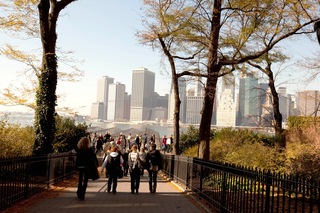
From Wall Street's skyscrapers to the neon of Times Square to Central Park's leafy paths, New York City pulses with an irrepressible energy. History meets hipness in this global center of entertainment, fashion, media, and finance. World-class museums like MoMA and unforgettable icons like the Statue of Liberty beckon, but discovering the subtler strains of New York's vast ambition is equally rewarding: ethnic enclaves and shops, historic streets of dignified brownstones, and trendy bars and eateries all add to the urban buzz.
Halifax, Nova Scotia
Surrounded by natural treasures and glorious seascapes, Halifax is an attractive and vibrant hub with noteworthy historic and modern architecture, great dining and shopping, and a lively nightlife and festival scene. The old city manages to feel both hip and historic. Previous generations had the foresight to preserve the cultural and architectural integrity of the city, yet students from five local universities keep it lively and current. It's a perfect starting point to any tour of the Atlantic provinces, but even if you don't venture beyond its boundaries, you will get a real taste of the region.It was Halifax’s natural harbor—the second largest in the world after Sydney, Australia’s—that first drew the British here in 1749, and today most major sites are conveniently located either along it or on the Citadel-crowned hill overlooking it. That’s good news for visitors because this city actually covers quite a bit of ground.Since amalgamating with Dartmouth (directly across the harbor) and several suburbs in 1996, Halifax has been absorbed into the Halifax Regional Municipality, and the HRM, as it is known, has around 415,000 residents. That may not sound like a lot by U.S. standards, but it makes Nova Scotia’s capital the most significant Canadian urban center east of Montréal.There's easy access to the water, and despite being the focal point of a busy commercial port, Halifax Harbour doubles as a playground, with one of the world's longest downtown boardwalks. It's a place where container ships, commuter ferries, cruise ships, and tour boats compete for space, and where workaday tugs and fishing vessels tie up beside glitzy yachts. Like Halifax as a whole, the harbor represents a blend of the traditional and the contemporary.
Saint-John's, Newfoundland and Labrador
Old meets new in the province's capital (metro-area population a little more than 200,000), with modern office buildings surrounded by heritage shops and colorful row houses. St. John's mixes English and Irish influences, Victorian architecture and modern convenience, and traditional music and rock and roll into a heady brew. The arts scene is lively, but overall the city moves at a relaxed pace.For centuries, Newfoundland was the largest supplier of salt cod in the world, and St. John's Harbour was the center of the trade. As early as 1627, the merchants of Water Street—then known as the Lower Path—were doing a thriving business buying fish, selling goods, and supplying alcohol to soldiers and sailors.
Cobh
Cork City's nearby harbor district has seen plenty of history. Cork Harbour's draws include Fota Island—with an arboretum, a wildlife park, and the Fota House ancestral estate—and the fishing port of Cobh.
Holyhead
Once a northern defense post against Irish raiders, Holyhead later became best known as a ferry port for Ireland. The dockside bustle is not matched by the town, however, which maintains just a small population. Nonetheless, thousands of years of settlement have given Holyhead rich historical ruins to explore, with more in the surrounding hiking friendly landscape.
Greenock
Trendy stores, a booming cultural life, fascinating architecture, and stylish restaurants reinforce Glasgow's claim to being Scotland's most exciting city. After decades of decline, it has experienced an urban renaissance uniquely its own. The city’s grand architecture reflects a prosperous past built on trade and shipbuilding. Today buildings by Charles Rennie Mackintosh hold pride of place along with the Zaha Hadid–designed Riverside Museum.Glasgow (the "dear green place," as it was known) was founded some 1,500 years ago. Legend has it that the king of Strathclyde, irate about his wife's infidelity, had a ring he had given her thrown into the river Clyde. (Apparently she had passed it on to an admirer.) When the king demanded to know where the ring had gone, the distraught queen asked the advice of her confessor, St. Mungo. He suggested fishing for it—and the first salmon to emerge had the ring in its mouth. The moment is commemorated on the city's coat of arms.The medieval city expanded when it was given a royal license to trade; the current High Street was the main thoroughfare at the time. The vast profits from American cotton and tobacco built the grand mansions of the Merchant City in the 18th century. In the 19th century the river Clyde became the center of a vibrant shipbuilding industry, fed by the city’s iron and steel works. The city grew again, but its internal divisions grew at the same time. The West End harbored the elegant homes of the newly rich shipyard owners. Down by the river, areas like the infamous Gorbals, with its crowded slums, sheltered the laborers who built the ships. They came from the Highlands, expelled to make way for sheep, or from Ireland, where the potato famines drove thousands from their homes.During the 19th century the population grew from 80,000 to more than a million. And the new prosperity gave Glasgow its grand neoclassical buildings, such as those built by Alexander "Greek" Thomson, as well as the adventurous visionary buildings designed by Charles Rennie Mackintosh and others who produced Glasgow’s Arts and Crafts movement. The City Chambers, built in 1888, are a proud statement in marble and gold sandstone, a clear symbol of the wealthy and powerful Victorian industrialists' hopes for the future.The decline of shipbuilding and the closure of the factories led to much speculation as to what direction the city would take now. The curious thing is that, at least in part, the past gave the city a new lease of life. It was as if people looked at their city and saw Glasgow’s beauty for the first time: its extraordinarily rich architectural heritage, its leafy parks, its artistic heritage, and its complex social history. Today Glasgow is a vibrant cultural center and a commercial hub, as well as a launching pad from which to explore the rest of Scotland, which, as it turns out, is not so far away. In fact, it takes only 40 minutes to reach Loch Lomond, where the other Scotland begins.
Belfast
Before English and Scottish settlers arrived in the 1600s, Belfast was a tiny village called Béal Feirste ("sandbank ford") belonging to Ulster's ancient O'Neill clan. With the advent of the Plantation period (when settlers arrived in the 1600s), Sir Arthur Chichester, from Devon in southwestern England, received the city from the English Crown, and his son was made Earl of Donegall. Huguenots fleeing persecution from France settled near here, bringing their valuable linen-work skills. In the 18th century, Belfast underwent a phenomenal expansion—its population doubled every 10 years, despite an ever-present sectarian divide. Although the Anglican gentry despised the Presbyterian artisans—who, in turn, distrusted the native Catholics—Belfast's growth continued at a dizzying speed. The city was a great Victorian success story, an industrial boomtown whose prosperity was built on trade, especially linen and shipbuilding. Famously (or infamously), the Titanic was built here, giving Belfast, for a time, the nickname "Titanic Town." Having laid the foundation stone of the city's university in 1845, Queen Victoria returned to Belfast in 1849 (she is recalled in the names of buildings, streets, bars, monuments, and other places around the city), and in the same year, the university opened under the name Queen's College. Nearly 40 years later, in 1888, Victoria granted Belfast its city charter. Today its population is nearly 300,000, tourist numbers have increased, and this dramatically transformed city is enjoying an unparalleled renaissance.This is all a welcome change from the period when news about Belfast meant reports about "the Troubles." Since the 1994 ceasefire, Northern Ireland's capital city has benefited from major hotel investment, gentrified quaysides (or strands), a sophisticated new performing arts center, and major initiatives to boost tourism. Although the 1996 bombing of offices at Canary Wharf in London disrupted the 1994 peace agreement, the ceasefire was officially reestablished on July 20, 1997, and this embattled city began its quest for a newfound identity.Since 2008, the city has restored all its major public buildings such as museums, churches, theaters, City Hall, Ulster Hall—and even the glorious Crown Bar—spending millions of pounds on its built heritage. A gaol that at the height of the Troubles held some of the most notorious murderers involved in paramilitary violence is now a major visitor attraction.Belfast's city center is made up of three roughly contiguous areas that are easy to navigate on foot. From the south end to the north, it's about an hour's leisurely walk.
Isle of Portland
The Isle of Portland is a tied island, 6 kilometres long by 2.7 kilometres wide, in the English Channel. The southern tip, Portland Bill lies 8 kilometres south of the resort of Weymouth, forming the southernmost point of the county of Dorset, England. A barrier beach called Chesil Beach joins it to the mainland.
Tilbury
Just 22 nautical miles down river from the Tower Bridge in London, Tilbury is a popular turnaround port for cruises visiting Baltic and Northern European destinations.
Hamburg
Hamburg is Germany’s second-largest city with a history dating back to Charlemagne. A major port, this vibrant city is home to art and culture, extensive shopping facilities, Baroque buildings and waterfront vistas. With its well-known fish market, art galleries and Museums together with several beautiful parks including a botanical garden, this is a city with something for everyone. British visitors who remember the Swinging Sixties may like to visit the streets around Grosse Freiheit, where an unknown pop group called The Beatles gave their first public performances in various local clubs before achieving worldwide fame.
Amsterdam
Amsterdam combines the unrivaled beauty of the 17th-century Golden Age city center with plenty of museums and art of the highest order, not to mention a remarkably laid-back atmosphere. It all comes together to make this one of the world's most appealing and offbeat metropolises in the world. Built on a latticework of concentric canals like an aquatic rainbow, Amsterdam is known as the City of Canals—but it's no Venice, content to live on moonlight serenades and former glory. Quite the contrary: on nearly every street here you'll find old and new side by side—quiet corners where time seems to be holding its breath next to streets like neon-lit Kalverstraat, and Red Light ladies strutting by the city's oldest church. Indeed, Amsterdam has as many lovely facets as a 40-carat diamond polished by one of the city's gem cutters. It's certainly a metropolis, but a rather small and very accessible one. Locals tend to refer to it as a big village, albeit one that happens to pack the cultural wallop of a major world destination. There are scores of concerts every day, numerous museums, summertime festivals, and, of course, a legendary year-round party scene. It's pretty much impossible to resist Amsterdam's charms. With 7,000 registered monuments, most of which began as the residences and warehouses of humble merchants, set on 160 man-made canals, and traversed by 1,500 or so bridges, Amsterdam has the largest historical inner city in Europe. Its famous circle of waterways, the grachtengordel, was a 17th-century urban expansion plan for the rich and is a lasting testament to the city’s Golden Age. This town is endearing because of its kinder, gentler nature—but a reputation for championing sex, drugs, and rock ’n’ roll does not alone account for Amsterdam's being one of the most popular destinations in Europe: consider that within a single square mile the city harbors some of the greatest achievements in Western art, from Rembrandt to Van Gogh. Not to mention that this is one of Europe's great walking cities, with so many of its treasures in the untouted details: tiny alleyways barely visible on the map, hidden garden courtyards, shop windows, floating houseboats, hidden hofjes(courtyards with almshouses), sudden vistas of church spires, and gabled roofs that look like so many unframed paintings. And don’t forget that the joy lies in details: elaborate gables and witty gable stones denoting the trade of a previous owner. Keep in mind that those XXX symbols you see all over town are not a mark of the city's triple-X reputation. They're part of Amsterdam's official coat of arms—three St. Andrew's crosses, believed to represent the three dangers that have traditionally plagued the city: flood, fire, and pestilence. The coat's motto ("Valiant, determined, compassionate") was introduced in 1947 by Queen Wilhelmina in remembrance of the 1941 February Strike in Amsterdam—the first time in Europe that non-Jewish people protested against the persecution of Jews by the Nazi regime.
Zeebrugge
In 1895 work began to construct a new seaport and harbour next to the tiny village of Zeebrugge, situated on the North Sea coast. Today the fast-expanding port of Zeebrugge is one of the busiest in Europe and its marina is Belgium’s most important fishing port. Many attempts were made to destroy this important port during both World Wars. Zeebrugge is ideally located for discovering the historic city of Bruges, and delightful seaside resorts with long sandy beaches can be visited by using the trams that run the whole length of the Belgian coast. Please note that no food may be taken ashore in Belgium. We shall not be offering shuttle buses to Bruges, but you may visit the city on an optional excursion: those visiting Bruges should note that there may be quite a long walk from the coach to the town centre.
Le Havre
Le Havre, founded by King Francis I of France in 1517, is located inUpper Normandy on the north bank of the mouth of the River Seine, which isconsidered the most frequented waterway in the world. Its port is ranked thesecond largest in France. The city was originally built on marshland andmudflats that were drained in the 1500’s. During WWII most of Le Havre wasdestroyed by Allied bombing raids. Post war rebuilding of the city followed thedevelopment plans of the well-known Belgian architect Auguste Perre. Thereconstruction was so unique that the entire city was listed as a UNESCO WorldHeritage Site in 2005.
Bilbao
Time in Bilbao (Bilbo, in Euskera) may be recorded as BG or AG (Before Guggenheim or After Guggenheim). Never has a single monument of art and architecture so radically changed a city. Frank Gehry's stunning museum, Norman Foster's sleek subway system, the Santiago Calatrava glass footbridge and airport, the leafy César Pelli Abandoibarra park and commercial complex next to the Guggenheim, and the Philippe Starck AlhóndigaBilbao cultural center have contributed to an unprecedented cultural revolution in what was once the industry capital of the Basque Country.Greater Bilbao contains almost 1 million inhabitants, nearly half the total population of the Basque Country. Founded in 1300 by Vizcayan noble Diego López de Haro, Bilbao became an industrial center in the mid-19th century, largely because of the abundance of minerals in the surrounding hills. An affluent industrial class grew up here, as did the working class in suburbs that line the Margen Izquierda (Left Bank) of the Nervión estuary.Bilbao's new attractions get more press, but the city's old treasures still quietly line the banks of the rust-color Nervión River. The Casco Viejo (Old Quarter)—also known as Siete Calles (Seven Streets)—is a charming jumble of shops, bars, and restaurants on the river's Right Bank, near the Puente del Arenal bridge. This elegant proto-Bilbao nucleus was carefully restored after devastating floods in 1983. Throughout the Casco Viejo are ancient mansions emblazoned with family coats of arms, wooden doors, and fine ironwork balconies. The most interesting square is the 64-arch Plaza Nueva, where an outdoor market is pitched every Sunday morning.Walking the banks of the Nervión is a satisfying jaunt. After all, this was how—while out on a morning jog—Guggenheim director Thomas Krens first discovered the perfect spot for his project, nearly opposite the right bank's Deusto University. From the Palacio de Euskalduna upstream to the colossal Mercado de la Ribera, parks and green zones line the river. César Pelli's Abandoibarra project fills in the half mile between the Guggenheim and the Euskalduna bridge with a series of parks, the Deusto University library, the Meliá Bilbao Hotel, and a major shopping center.On the left bank, the wide, late-19th-century boulevards of the Ensanche neighborhood, such as Gran Vía (the main shopping artery) and Alameda de Mazarredo, are the city's more formal face. Bilbao's cultural institutions include, along with the Guggenheim, a major museum of fine arts (the Museo de Bellas Artes) and an opera society (Asociación Bilbaína de Amigos de la Ópera, or ABAO) with 7,000 members from Spain and southern France. In addition, epicureans have long ranked Bilbao's culinary offerings among the best in Spain. Don't miss a chance to ride the trolley line, the Euskotram, for a trip along the river from Atxuri Station to Basurto's San Mamés soccer stadium, reverently dubbed "la Catedral del Fútbol" (the Cathedral of Football).
La Coruña
La Coruña, the largest city in Spain's Galicia region, is among the country's busiest ports. The remote Galicia area is tucked into the northwest corner of the Iberian Peninsula, surprising visitors with its green and misty countryside that is so much unlike other parts of Spain. The name "Galicia" is Celtic in origin, for it was the Celts who occupied the region around the 6th-century BC and erected fortifications. La Coruña was already considered an important port under the Romans. They were followed by an invasion of Suevians, Visigoths and, much later in 730, the Moors. It was after Galicia was incorporated into the Kingdom of Asturias that the epic saga of the Pilgrimage to Santiago (St. James) began. From the 15th century, overseas trade developed rapidly; in 1720, La Coruña was granted the privilege of trading with America - a right previously only held by Cadiz and Seville. This was the great era when adventurous men voyaged to the colonies and returned with vast riches. Today, the city's significant expansion is evident in three distinct quarters: the town centre located along the isthmus; the business and commercial centre with wide avenues and shopping streets; and the "Ensanche" to the south, occupied by warehouses and factories. Many of the buildings in the old section feature the characteristic glazed façades that have earned La Coruña the name "City of Crystal." Plaza Maria Pita, the beautiful main square, is named after the local heroine who saved the town in 1589 when she seized the English standard from the beacon and gave the alarm, warning her fellow townsmen of the English attack.
Porto
Lively, commercial Oporto is the second largest city in Portugal after Lisbon. Also called Porto for short, the word easily brings to mind the city's most famous product - port wine. Oporto's strategic location on the north bank of the Douro River has accounted for the town's importance since ancient times. The Romans built a fort here where their trading route crossed the Douro, and the Moors brought their own culture to the area. Oporto profited from provisioning crusaders en route to the Holy Land and enjoyed the riches from Portuguese maritime discoveries during the 15th and 16th centuries. Later, port wine trade with Britain compensated for the loss of the spice trade and the end of gold and gem shipments from Brazil. In the 19th century, the city went through a period of new prosperity with the rise of industries. In its wake followed the building of workers' quarters and opulent residences. Since the declaration of Oporto as a World Heritage Site by UNESCO, the city aims to build up a cultural reference that will provide it with a new image, based on deep historical roots. Among the attractions that make Oporto such an interesting place are its graceful bridges spanning the Douro River, a picturesque riverfront quarter and, most notable, its world-famous port wine lodges. Although Oporto is a bustling centre and home to many different businesses, the source of its greatest fame is the rich, sweet fortified red wine we know as port.
Lisbon
Set on seven hills on the banks of the River Tagus, Lisbon has been the capital of Portugal since the 13th century. It is a city famous for its majestic architecture, old wooden trams, Moorish features and more than twenty centuries of history. Following disastrous earthquakes in the 18th century, Lisbon was rebuilt by the Marques de Pombal who created an elegant city with wide boulevards and a great riverfront and square, Praça do Comércio. Today there are distinct modern and ancient sections, combining great shopping with culture and sightseeing in the Old Town, built on the city's terraced hillsides. The distance between the ship and your tour vehicle may vary. This distance is not included in the excursion grades.
Cádiz
Believed to be the oldest town on the Iberian Peninsula, the Andalusian port of Cádiz enjoys a stunning location at the edge of a six-mile promontory. The town itself, with 3,000 years of history, is characterised by pretty white houses with balconies often adorned with colourful flowers. As you wander around be sure to take a stroll through the sizeable Plaza de Espãna, with its large monument dedicated to the first Spanish constitution, which was signed here in 1812. Cádiz has two pleasant seafront promenades which boast fine views of the Atlantic Ocean, and has a lovely park, the Parque Genoves, located close to the sea with an open-air theatre and attractive palm garden. Also notable is the neo-Classical cathedral, capped by a golden dome.
Ceuta
The autonomous city of Ceuta is a tiny Spanish city-enclave on the Moroccan side of the Straits of Gibraltar, separated from the Spanish mainland by just 12 miles. The city's strategic location has ensured it has endured a turbulent history, often being used as a trade and military outpost. Originally an old Carthaginian colony, it has since been held by the Romans, Vandals, Byzantines, and Arabs, and has been known as 'Abyla', 'Septem' and 'Cibta'. It was finally taken over by Spain in 1580 and has remained Spanish since then, with the name 'Ceuta'. Covering an area of just ten square miles, the enclave is dominated by the hill of Monte Hacho, sometimes believed to be the legendary Pillars of Hercules. With a fascinating mix of both Spanish and African influences and surrounded by massive 14th-century city walls, Ceuta has a charm and grandeur all of its own. As an autonomous region of Spain, Ceuta is part of the territory of the EU, but is considered a special low-tax zone. Leather goods, ceramics and embroidery are common purchases from the city.
Casablanca
The original settlement formed on the site of Casablanca by the Berbers became the kingdom of Anfa, and during the 15th century harboured pirates who raided the Portuguese coast. In retaliation for the attacks, the Portuguese destroyed Anfa and founded the town they called Casa Branca (white house). They remained here until an earthquake in 1755 and the town was subsequently rebuilt by Mohammed ben Abdallah, whose legacy of mosques and houses can still be seen in the old Medina. Casablanca acquired its present-day name when the Spanish obtained special port privileges in 1781. The French landed here in 1907, later establishing a protectorate and modelling the town on the port of Marseilles. Today Casablanca is Morocco’s largest city, its most significant port and the centre of commerce and industry. The city is a vibrant fusion of European, African and Arabian influences and its French colonial architecture and art deco buildings seamlessly blend in with the busy, colourful markets. Please note that vendors in the souks can be very persistent and eager to make a sale.
Funchal, Madeira
Formed by a volcanic eruption, Madeira lies in the Gulf Stream, about 500 miles due west of Casablanca. Discovered by Portuguese explorer João Gonçalves Zarco in 1419, this beautiful island became part of Portugal’s vast empire and was named for the dense forest which cloaked it - 'Madeira' means 'wood' in Portuguese. Sugar plantations first brought wealth here, and when King Charles II of England granted an exclusive franchise to sell wine to England and its colonies, many British emigrants were drawn to the capital, Funchal. Today’s travellers come to Madeira for the varied and luxuriant scenery, from mountain slopes covered with vines to picturesque villages and a profusion of wild flowers. The natural beauty of the island has earned it many pseudonyms such as ‘The Floating Garden of the Atlantic’, 'The Island of Eternal Springtime' and ‘God’s Botanical Gardens’ and our selection of excursions aim to show you why.
Ponta Delgada, Azores
Offering solace on the long journey across the Atlantic, Ponta Delgada is the Azores Islands' largest city, and a welcome relief for any weary sailor. Located on an archipelago of Portuguese islands, some 1,100 miles from the mainland, you can explore humbling volcanic scenery, as well as Sao Miguel's verdant landscape - which glows with colour when the hydrangeas that the Azores are known for bloom into life during the summer months. The striking black and white facade of the Church of Sao Jose welcomes you to the city itself, while you can head to the markets to pick up the pineapples, tea leaves and coffee beans that add a little flavour to the island. As the largest city of the Azores, Ponta Delgada is well stocked with places to eat delicious local seafood, or pick up a little shopping, as you enjoy setting your feet on dry land, following a long journey at sea. Volcanic firepower has carved these stunning islands, and a journey up to Caldeira das Sete Cidades is a must do, where you can hike beside the water-filled crater, and admire views of steep green walls, and the uninterrupted Atlantic Ocean stretching beyond them. Lagoa de Fogo offers yet more humbling views, with the crater lake dropping off sharply to rippled ocean far below.
Date & price
Departs
Fri 15 Oct 2027
from £5,299 pp
Enquire now Call 020 7590 0610Per person, based on two sharing, cruise only. Updated daily and confirmed when you book.