
Summary
Itinerary & Map
Guam is blessed with spectacular natural beauty and a rich cultural history. Apra Harbor is a deep-water port located on the western side of the island near the...
Full descriptionThe Northern Mariana Islands are a chain of 15 tropical islands in the western Pacific Ocean, about 120 miles (193 km) north of Guam. At 12 miles in length and...
Full descriptionAmong the 15 islands of the Northern Marianas, Pagan Island consists of two stratovolcanoes joined by a strip of land that is less than 600 meters (2,000 feet)...
Full description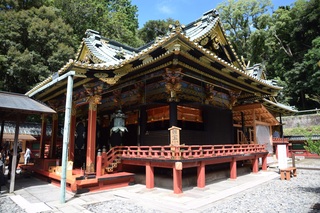
The salt and pepper cone of Japan's most famous natural landmark won’t fail to take your breath away, as it soars into the sky in a vision of spectacular symmet...
Full description
Yakushima is a round-shaped subtropical island off the southern coast of Kyushu island and part of Kagoshima prefecture. One fifth of this island is designated...
Full description
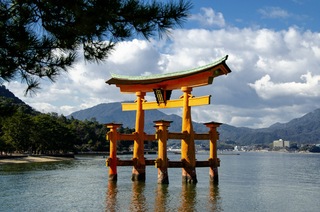
The small island of Miyajima (“The Shrine Island”) is known for the Floating Torii Gate, which is one of “The Three Most Beautiful Views” of Japan. Built in the...
Full description
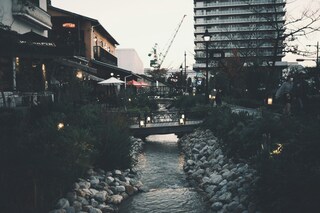
Located on the calm waters of the Inland Sea, Kobe has served as an important port town for hundreds of years. It was one of the first harbours to accept foreig...
Full descriptionGuam is blessed with spectacular natural beauty and a rich cultural history. Apra Harbor is a deep-water port located on the western side of the island near the...
Full descriptionThe Northern Mariana Islands are a chain of 15 tropical islands in the western Pacific Ocean, about 120 miles (193 km) north of Guam. At 12 miles in length and...
Full descriptionAmong the 15 islands of the Northern Marianas, Pagan Island consists of two stratovolcanoes joined by a strip of land that is less than 600 meters (2,000 feet)...
Full description
The salt and pepper cone of Japan's most famous natural landmark won’t fail to take your breath away, as it soars into the sky in a vision of spectacular symmet...
Full description
Yakushima is a round-shaped subtropical island off the southern coast of Kyushu island and part of Kagoshima prefecture. One fifth of this island is designated...
Full description
The small island of Miyajima (“The Shrine Island”) is known for the Floating Torii Gate, which is one of “The Three Most Beautiful Views” of Japan. Built in the...
Full description
Located on the calm waters of the Inland Sea, Kobe has served as an important port town for hundreds of years. It was one of the first harbours to accept foreig...
Full descriptionApra (Agana)
Guam is blessed with spectacular natural beauty and a rich cultural history. Apra Harbor is a deep-water port located on the western side of the island near the Mariana Islands and the Mariana Trench, which is the deepest part of the earth’s oceans, and the deepest location of the earth itself. The port serves both as a U.S. naval station and Guam’s main commercial port. The harbour, formed by the Orote Peninsula to the south and Cabras Island in the north, is considered to be one of the best natural ports in the Pacific. Guam’s unique culture, traditions and heritage have remained intact despite European imperialism, wars and changing foreign governments. Archaeological evidence suggests that the indigenous Chamorros of Indo-Malayan descent migrated from the Southeast Asian islands and settled throughout the Marianas archipelago. Being expert seamen and skilled craftsmen, they flourished and built unique houses and canoes suited to the region. As a matriarchal society and through the prestige of the women, much of the Chamorro culture and traditions were able to survive. Since the 16th century, a wave of foreigners have arrived on Guam’s shores, including Ferdinand Magellan in 1521 who remained on the island for three days to restock his small convoy. Americans, Asians, Europeans, Micronesians and other visitors have since left their imprint on the island’s pastimes and tastes.
Saipan
The Northern Mariana Islands are a chain of 15 tropical islands in the western Pacific Ocean, about 120 miles (193 km) north of Guam. At 12 miles in length and 5 miles wide (19 x 8 km), Saipan is the largest of the 15 islands, and site of the CNMI capital. Settlement of Saipan and its neighbouring islands occurred circa 2000 BC by the Chamorro people who arrived via similar routes as their cousins in Guam. Ferdinand Magellan first sighted the Mariana Islands in March 1521 and claimed “Las Islas de las Velas Latinas” for Spain. In 1668, the islands’ name changed to the present one in honour of Mariana of Austria, the widow of Spain’s king, Philip IV. Germany bought the islands from Spain in 1899, but was forced out by the Japanese during World War I. American forces entered the Marianas on June 15, 1944 and were met with fierce resistance by the Japanese. In the following months, the Americans managed to gain control and started to build bases and airfields for Pacific launching pads. The Marianas became part of the Pacific Islands Trust Territory granted to the United States by the United Nations in 1947. After 20 years of American presence, the people opted out of the U.S. Trust and voted for the Commonwealth of the Northern Marianas, finally gaining their self-government in January 1978. In 1986, President Ronald Reagan proclaimed the Northern Marianas a United States Commonwealth and its residents U.S. citizens. Today, Saipan boasts a well-developed tourist industry, which is concentrated around Garapan, the capital. In addition to beaches and colourful marine life, American World War II relics, overgrown Japanese bunkers, and mangrove swamps can be seen around the island. Garapan, located on the western side of the island, is home to major hotels and the American Memorial Park, which honours American soldiers who died during the Battle of Saipan.
Pagan Island
Among the 15 islands of the Northern Marianas, Pagan Island consists of two stratovolcanoes joined by a strip of land that is less than 600 meters (2,000 feet) across at its narrowest point. The island was completely evacuated in 1981 when a large eruption forced the small Micronesian community to relocate to Saipan. Pagan, the northern volcano, is still active, and one of the more recent lava-flows has come close to the small former settlement on the west coast. To reach this lava flow one has to follow an old runway used by the Japanese during the 1940s, where the remains of several bunkers, pill boxes and planes can still be seen. A hike up the ridge will reveal a scenic view of two lakes further north. The Marianas fruit bat, the Micronesian Megapode, and the impressive coconut crab used to thrive on Pagan. Unfortunately, the island is rumored to be a military training ground and may be declared off-limits in the near future.
Shimizu
The salt and pepper cone of Japan's most famous natural landmark won’t fail to take your breath away, as it soars into the sky in a vision of spectacular symmetry. Make sure your camera is fully prepared before you dock in Shimizu’s port, where unparalleled views of the extraordinary Mount Fuji’s dramatic peak await. Take your time to soak up one of Japan's most iconic views, before dipping your toes into the rest of what this destination of tranquil temples has to offer. While there’s a bustling fish market, and a charming amusement park waiting close to the port, most new arrivals immediately set off in pursuit of the best views of Mount Fuji, or to see the stunning panorama on offer from the heights of the Kunozan Toshogu Shrine. Take the cable car up to the top, to experience the tranquillity around the forested shrine, and to enjoy its stunning architecture of deep scarlets and gleaming golds. You can also enjoy heart-stopping views out over the Bay of Suruga, and the tea plantations below.
Yakushima
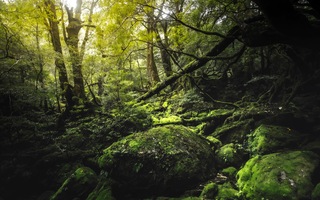
Yakushima is a round-shaped subtropical island off the southern coast of Kyushu island and part of Kagoshima prefecture. One fifth of this island is designated a Natural World Heritage Site in 1993, and it is covered by an extensive cedar forest that contains some of Japan’s oldest living trees. The symbol of Yakushima is called Yaku-Sugi, meaning Japanese cedar, which is only used for cedar trees over 1,000 years old. The oldest Yaku-Sugi is considered to be more than 7,000 years old. As a subtropical island with mountains that are nearly 2,000 meters high, Yakushima attracts a lot of rainfall around the year with a local saying that it rains 35 days a month! No matter how the weather is, the walking in the Cedar tree forest is what you cannot miss on this island. You can see many rare plants due to the abundance of water and the changes in temperature at different altitudes. The range of flora is very wide, from coral reef to alpine plants.
Itsukushima
The small island of Miyajima (“The Shrine Island”) is known for the Floating Torii Gate, which is one of “The Three Most Beautiful Views” of Japan. Built in the water, the Torii Gate leads to the Itsukushima Shrine and at high tide it seems to float. The Torii Gate is one of the most photographed sites in all of Japan. There are many more shrines and paths on Miyajima that are inviting to walk. Mount Misen has a cable car leading partly up to the top with nice views and wild monkeys and deer roaming the trails.
Kobe
Located on the calm waters of the Inland Sea, Kobe has served as an important port town for hundreds of years. It was one of the first harbours to accept foreign traders in 1868 when Japan was just emerging from its centuries of isolation. What followed was a surge of Western trade and exports. Today, Kobe is quite multicultural, with expatriates from 98 different nations in residence, providing a cultural diversity most easily visible in restaurants serving every kind of cuisine, including the now world famous Kobe beef. The Great Hanshin Earthquake of 1995 set back Kobe’s development, but not for long. Kobe emerged more vibrant than before - with additional attractions, hotels and urban redevelopment, and only a few remnants of the extensive damage. It is a cosmopolitan place with lively shopping arcades, interesting museums, great restaurants, and a port that is still at the heart of things. Kobe is well known for its nightlife, in an intimate quarter of neon lights, cosy bars and sophisticated nightclubs. It also serves as the gateway to the ancient Japanese capitals of Kyoto and Nara.
Date & price
Select guest
Departs
Sun 2 May 2027
from £9,850 pp
Enquire now Call 020 7590 0610Per person, based on two sharing, cruise only. Updated daily and confirmed when you book.