
Summary
Itinerary & Map
The remarkable beauty of the remote Falkland Islands can best be seen on New Island. The westernmost of the inhabited islands of the archipelago, it is a wildli...
Full description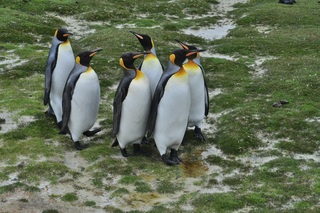
Tiny Stanley, capital of the Falklands, seems in many ways like a British village fallen out of the sky. Many homes are painted in bright colours, adding visual...
Full description
Awesome glaciers flecked with pink algae can be seen approaching Elephant Island — so named either for its elephant-like appearance or for sightings of elephant...
Full description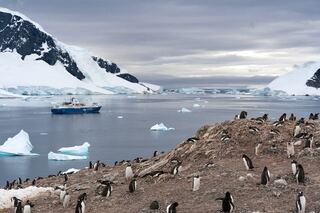
Remote and otherworldly, Antarctic is irresistible for its spectacular iceberg sculptures and calving glaciers, and for the possibility of up-close encounters w...
Full description
Remote and otherworldly, Antarctic is irresistible for its spectacular iceberg sculptures and calving glaciers, and for the possibility of up-close encounters w...
Full description
Remote and otherworldly, Antarctic is irresistible for its spectacular iceberg sculptures and calving glaciers, and for the possibility of up-close encounters w...
Full description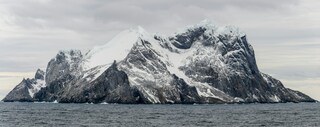
Some 770 kilometers (478 miles) south of Cape Horn, the South Shetland Islands are usually the first land seen in Antarctica. Separated from the Antarctic Penin...
Full description
The remarkable beauty of the remote Falkland Islands can best be seen on New Island. The westernmost of the inhabited islands of the archipelago, it is a wildli...
Full description
Tiny Stanley, capital of the Falklands, seems in many ways like a British village fallen out of the sky. Many homes are painted in bright colours, adding visual...
Full description
Awesome glaciers flecked with pink algae can be seen approaching Elephant Island — so named either for its elephant-like appearance or for sightings of elephant...
Full description
Remote and otherworldly, Antarctic is irresistible for its spectacular iceberg sculptures and calving glaciers, and for the possibility of up-close encounters w...
Full description
Remote and otherworldly, Antarctic is irresistible for its spectacular iceberg sculptures and calving glaciers, and for the possibility of up-close encounters w...
Full description
Remote and otherworldly, Antarctic is irresistible for its spectacular iceberg sculptures and calving glaciers, and for the possibility of up-close encounters w...
Full description
Some 770 kilometers (478 miles) south of Cape Horn, the South Shetland Islands are usually the first land seen in Antarctica. Separated from the Antarctic Penin...
Full description
New Island and West Point Island
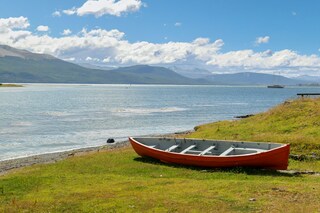
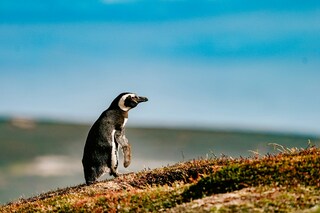
The remarkable beauty of the remote Falkland Islands can best be seen on New Island. The westernmost of the inhabited islands of the archipelago, it is a wildlife and nature reserve, and an environmental conservation group protects its many birds and animals. There are rookeries where Rockhopper Penguins and Blue-eyed Shags share the same nesting area. Black-browed Albatrosses can be seen going about their daily routines and it is easy to spot Upland Geese. More than 40 species of birds breed on the island. Near the landing site is ‘Barnard’s barn’ — a restored stone structure going back to the early 19th century. Lying in the sandy shallows in front of the barn is the wreck of Protector III, an old minesweeper used for seal hunting.
Port Stanley
Tiny Stanley, capital of the Falklands, seems in many ways like a British village fallen out of the sky. Many homes are painted in bright colours, adding visual appeal to this distant outpost. Not far offshore, the wreck of the Lady Elizabeth, is one of the many vessels remaining as a silent testimonial to the region's frequent harsh weather conditions.The islands, also known by their Spanish name of Islas Malvinas, are home to arguably more tuxedo-clad inhabitants of the penguin variety than human residents. Various species, such as Gentoo, Magellanic and the more elusive King penguins, either live here permanently or use the Falklands as a stopover on their migration route. Darwin found the islands' flora and fauna fascinating - no doubt you will, too.
Elephant Island, South Shetland Islands
Awesome glaciers flecked with pink algae can be seen approaching Elephant Island — so named either for its elephant-like appearance or for sightings of elephant seals here. Elephant Island is home to several Chinstrap Penguin rookeries, as well as 2,000-year-old moss colonies. Weddell seals and Macaroni Penguins can also be spotted. In 1916, when Ernest Shackleton’s ship Endurance was crushed in pack ice in the Weddell Sea, the crew was stranded here for more than 4 months finding shelter under two upturned lifeboats on the spit of land Shackleton’s men named ‘Point Wild’. The bust of the Chilean captain Luis Pardo has been erected here to commemorate the successful rescue in the tug.
Antarctic Peninsula
Remote and otherworldly, Antarctic is irresistible for its spectacular iceberg sculptures and calving glaciers, and for the possibility of up-close encounters with marine mammals and the iconic penguins. The Antarctic Peninsula – the main peninsula closest to South America – has a human history of almost 200 years, with explorers, sealers, whalers, and scientists who have come to work, and eventually intrepid visitors coming to enjoy this pristine and remote wilderness. It is a region of protected bays, unscaled snow-capped mountains, vast glaciers and a few places where whalers or scientists have worked. Just as irresistible are the many Gentoo and Chinstrap Penguin colonies, the seals basking on ice floes, the whales and orcas.
South Shetland Islands
Some 770 kilometers (478 miles) south of Cape Horn, the South Shetland Islands are usually the first land seen in Antarctica. Separated from the Antarctic Peninsula by the Bransfield Strait, nine major islands make up the group. The region was the first to be exploited by sealers in the early 19th century, and because of its proximity to South America, it still is the most visited by scientists and tourists. Chinstrap, Adelie, Gentoo and Macaroni Penguins all breed here. In addition, because it is the warmest part of the continent, large moss beds as well as orange, black, grey and green lichens grow –even hair grass and pearlwort manage to survive. Leopard seals, Weddell seals, crabeater seals, Southern elephant seals and Antarctic fur seals can be seen in the water and on the beaches.
Dates & prices
Select guest
Departs
Thu 30 Dec 2027
from £20,250 pp
Enquire now Call 020 7590 0610Per person, based on two sharing, cruise only. Updated daily and confirmed when you book.