
Summary
Itinerary & Map
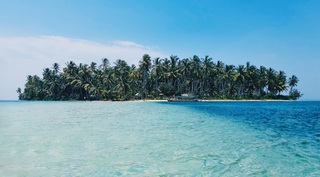
Honiara is the capital city of the Solomon Islands on the north-western coast of Guadalcanal Island. It is the hub of all activity in the archipelago which has...
Full description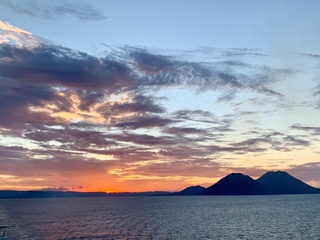
Rabaul, the former provincial capital, has quite a remarkable location. The town is inside the flooded caldera of a giant volcano and several sub-vents are stil...
Full description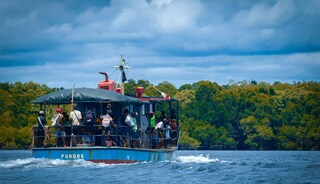
The eastern half of the island of New Guinea - second largest in the world - was divided between Germany (north) and the United Kingdom (south) in 1885. The lat...
Full description
Honiara is the capital city of the Solomon Islands on the north-western coast of Guadalcanal Island. It is the hub of all activity in the archipelago which has...
Full description
Rabaul, the former provincial capital, has quite a remarkable location. The town is inside the flooded caldera of a giant volcano and several sub-vents are stil...
Full description
The eastern half of the island of New Guinea - second largest in the world - was divided between Germany (north) and the United Kingdom (south) in 1885. The lat...
Full description
Honiara, Guadalcanal Island
Honiara is the capital city of the Solomon Islands on the north-western coast of Guadalcanal Island. It is the hub of all activity in the archipelago which has recently undergone an ‘urban boom’. Discover the cities beautiful landscapes and the significance of the city in the World War II.
Rabaul, Bismarck Archipelago
Rabaul, the former provincial capital, has quite a remarkable location. The town is inside the flooded caldera of a giant volcano and several sub-vents are still quite active today! The fumes of the volcano Tavurvur can be seen continually and the town suffered greatly during the last major eruption of 1994 when some 80% of the houses collapsed due to the ash raining down onto their roofs. Rabaul has a Volcano Observatory sitting atop the town’s center, monitoring the 14 active and 23 dormant volcanoes in Papua New Guinea. A small museum opposite the bunker used by Yamamoto during World War II shows exhibits relating to Rabaul’s local, German, Australian and Japanese past from the 19th century to Papua New Guinea’s independence in the 1970s.
Madang
The eastern half of the island of New Guinea - second largest in the world - was divided between Germany (north) and the United Kingdom (south) in 1885. The latter area was transferred to Australia in 1902, which occupied the northern portion during World War I and continued to administer the combined areas until independence in 1975. A nine-year secessionist revolt on the island of Bougainville ended in 1997 after claiming some 20,000 lives. On the north coast of the island, we find colourful Madang, called the “prettiest town in the South Pacific”. Its peninsula-setting is a showplace of parks, waterways, luxuriant shade trees and sparkling tropical islands. Although small, the town has modern urban facilities, including hotels, department stores, markets and art shops. The people of Madang can be broken into four distinct groups - islanders, coastal people, river people and mountain people. These groups are similar in appearance except for the smaller Simbai mountain tribesmen from the foothills. The traditional dress consists mainly of traditional dyed multi-coloured grass skirts made out of either pandanas leaves or sago palm. The women from the mountain areas wear skirts that are colourless, narrow and stringy. Unlike the women, men wear meshy net aprons in front and a clutter of target leaves astern.
Dates & prices
Select guest
Departs
Sat 3 Apr 2027
from £9,925 pp
Enquire now Call 020 7590 0610Per person, based on two sharing, cruise only. Updated daily and confirmed when you book.