
Summary
Itinerary & Map
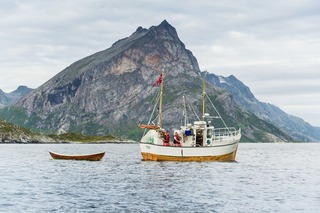
With its centre located on the island of Tromsø, the municipality of Tromsø is more than five times the size of Norway’s capital, Oslo, and is the world’s north...
Full description
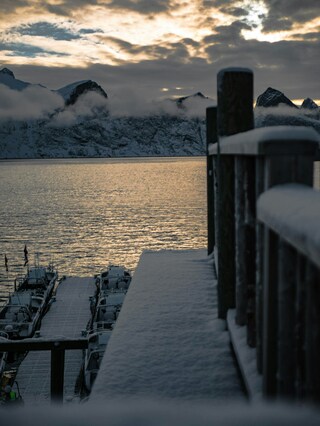
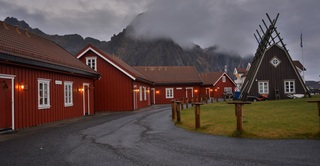
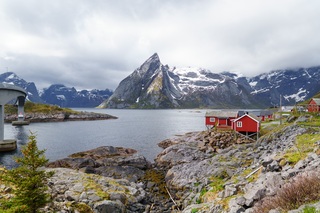
At 68 degrees North, Narvik lies 140 miles inside the Arctic Circle. Its history as a settlement began in the Stone Age, and Vikings are also known to have live...
Full description
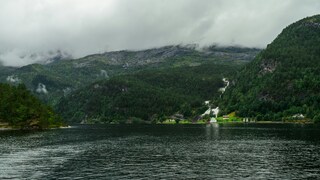
With its centre located on the island of Tromsø, the municipality of Tromsø is more than five times the size of Norway’s capital, Oslo, and is the world’s north...
Full description
With its centre located on the island of Tromsø, the municipality of Tromsø is more than five times the size of Norway’s capital, Oslo, and is the world’s north...
Full description
At 68 degrees North, Narvik lies 140 miles inside the Arctic Circle. Its history as a settlement began in the Stone Age, and Vikings are also known to have live...
Full description
With its centre located on the island of Tromsø, the municipality of Tromsø is more than five times the size of Norway’s capital, Oslo, and is the world’s north...
Full descriptionTromsø
With its centre located on the island of Tromsø, the municipality of Tromsø is more than five times the size of Norway’s capital, Oslo, and is the world’s northernmost university city. Lying 200 miles inside the Arctic Circle, it is known as the 'Gateway to the Arctic' because it was used as a starting point for hunters looking for Arctic foxes, polar bears and seals. In the 19th century it was a base for explorers on Arctic expeditions – a history that is remembered in the city’s Polar Museum, which you can visit on an excursion. Also commemorated in the area is the history of Norway’s indigenous people, the Sami. Visitors can learn about the traditions, heritage and modern preservation of the Sami culture at the Tromsø Museum. Nowadays, Tromsø is a charming mix of old and new, with wooden buildings sitting alongside contemporary architecture such as the impressive glacier-like Arctic Cathedral, which features one of the largest stained glass windows in Europe. Looking down on the city is Mount Storsteinen, and a cable car runs to the top, giving wonderful views over the surrounding countryside of forested peaks and reindeer pastures.
Narvik
At 68 degrees North, Narvik lies 140 miles inside the Arctic Circle. Its history as a settlement began in the Stone Age, and Vikings are also known to have lived in the area. The modern town came into existence in the 1870s to serve the needs of the iron industry. Iron ore is mined in neighbouring Sweden and, as an ice-free port, Narvik was chosen as the ideal export location. The LKAB mining corporation is still a major employer and landowner in the area, shipping some 25,000,000 tons of iron ore from the port annually. This industrial heritage has shaped the town and now forms the basis of some of its most popular tourist attractions. In 1883 a co-owned British-Swedish company was given permission to build a railway connecting the Swedish iron mines in Kiruna to Narvik. It opened in 1902 and the town, then christened Victoriahavn, grew up around it. Unfortunately much of Narvik was destroyed in World War II. Invaded by the Nazis on 9 April 1940, it was later retaken by the Allies, representing the first military defeat of Hitler’s troops, but was evacuated as part of Operation Alphabet when it came under German occupation again. The local war museum documents the turbulent history of this period.
Date & price
Select guest
Departs
Mon 27 Dec 2027
from £6,381 pp
Enquire now Call 020 7590 0610Per person, based on two sharing, cruise only. Updated daily and confirmed when you book.