
Summary
Embark on an ultimate Arctic and North Atlantic journey from Copenhagen to Montréal, linking Greenland’s ice-filled fjords, Canada’s remote North, and the Saint Lawrence River. Along the way, explore small Arctic communities, rugged coasts, and wildlife-rich waters, with time in Churchill, Manitoba – known as the polar bear capital of the world.
Your Expedition voyage begins in Copenhagen before you fly north to Kangerlussuaq and step on board your Scenic Discovery Yacht for Greenland’s west coast, where towering icebergs, deep fjords, and colourful towns set the scene. Crossing Davis Strait into the Canadian Arctic, you will visit remote islands and Inuit communities, cruise dramatic shorelines, and keep watch for wildlife, from whales and seabirds to polar bears in their natural habitat. Turning south into Hudson Bay, you spend unhurried time in Churchill, renowned as the polar bear capital, then continue through Nunavut, Nunavik, and coastal Labrador as the landscape gradually softens from stark Arctic to forested headlands and historic fishing settlements. The voyage concludes with a classic approach down the Saint Lawrence, calling at Québec City before arriving in Montréal, where French-Canadian culture provides a memorable finale to this far-reaching journey.
Itinerary & Map

By the 11th century, Copenhagen was already an important trading and fishing centre and today you will find an attractive city which, although the largest in Sc...
Full description
By the 11th century, Copenhagen was already an important trading and fishing centre and today you will find an attractive city which, although the largest in Sc...
Full description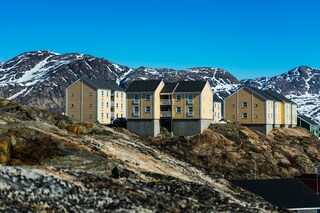
Located just north of the Arctic Circle, Sisimiut is the northernmost town in Greenland where the port remains free of ice in the winter. Yet it is also the sou...
Full description
Known as the birthplace of icebergs, the Ilulissat Icefjord produces nearly 20 million tons of ice each day. In fact, the word Ilulissat means “icebergs” in the...
Full description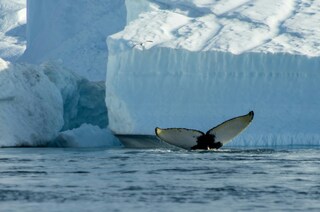
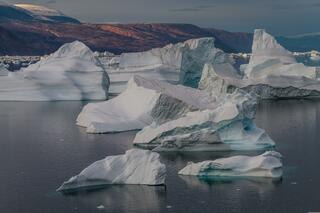
Iqaluit is the capital of Canada’s newest territory, Nunavut, which is Inuktitut for “our land”. The community is located at the head of Frobisher Bay, an inlet...
Full descriptionMonumental Island in Davis Strait was named by Arctic explorer Charles Francis Hall as a tribute to the memory of Sir John Franklin who died in his quest to fin...
Full descriptionCape Dorset is a small Inuit hamlet located on Dorset Island, off the southern shore of Baffin Island. The traditional name for Cape Dorset is Kinngait (meaning...
Full description
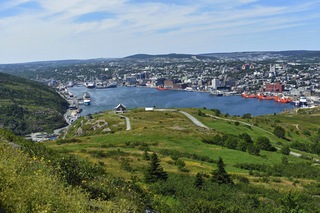
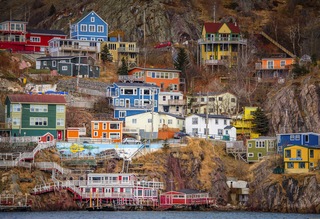
Old meets new in the province's capital (metro-area population a little more than 200,000), with modern office buildings surrounded by heritage shops and colorf...
Full description
By heading almost due east from Cap-aux-Meules in Canada, it is possible to reach France in about one day’s worth of steaming! With barely 6,000 inhabitants liv...
Full description
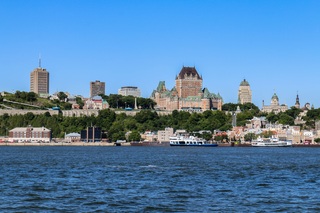
Québec City's alluring setting atop Cape Diamond (Cap Diamant) evokes a past of high adventure, military history, and exploration. This French-speaking capital...
Full description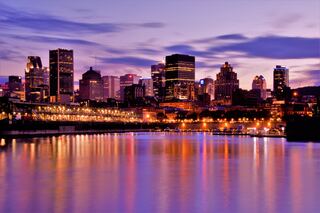
Canada's most diverse metropolis, Montréal, is an island city that favors style and elegance over order or even prosperity, a city where past and present intrud...
Full description
By the 11th century, Copenhagen was already an important trading and fishing centre and today you will find an attractive city which, although the largest in Sc...
Full description
By the 11th century, Copenhagen was already an important trading and fishing centre and today you will find an attractive city which, although the largest in Sc...
Full description
Located just north of the Arctic Circle, Sisimiut is the northernmost town in Greenland where the port remains free of ice in the winter. Yet it is also the sou...
Full description
Known as the birthplace of icebergs, the Ilulissat Icefjord produces nearly 20 million tons of ice each day. In fact, the word Ilulissat means “icebergs” in the...
Full description
Iqaluit is the capital of Canada’s newest territory, Nunavut, which is Inuktitut for “our land”. The community is located at the head of Frobisher Bay, an inlet...
Full descriptionMonumental Island in Davis Strait was named by Arctic explorer Charles Francis Hall as a tribute to the memory of Sir John Franklin who died in his quest to fin...
Full descriptionCape Dorset is a small Inuit hamlet located on Dorset Island, off the southern shore of Baffin Island. The traditional name for Cape Dorset is Kinngait (meaning...
Full description
Old meets new in the province's capital (metro-area population a little more than 200,000), with modern office buildings surrounded by heritage shops and colorf...
Full description
By heading almost due east from Cap-aux-Meules in Canada, it is possible to reach France in about one day’s worth of steaming! With barely 6,000 inhabitants liv...
Full description
Québec City's alluring setting atop Cape Diamond (Cap Diamant) evokes a past of high adventure, military history, and exploration. This French-speaking capital...
Full description
Canada's most diverse metropolis, Montréal, is an island city that favors style and elegance over order or even prosperity, a city where past and present intrud...
Full descriptionCopenhagen, Denmark
By the 11th century, Copenhagen was already an important trading and fishing centre and today you will find an attractive city which, although the largest in Scandinavia, has managed to retain its low-level skyline. Discover some of the famous attractions including Gefion Fountain and Amalienborg Palace, perhaps cruise the city’s waterways, visit Rosenborg Castle or explore the medieval fishing village of Dragoer. Once the home of Hans Christian Andersen, Copenhagen features many reminders of its fairytale heritage and lives up to the reputation immortalised in the famous song ‘Wonderful Copenhagen’.
Sisimiut, Greenland
Located just north of the Arctic Circle, Sisimiut is the northernmost town in Greenland where the port remains free of ice in the winter. Yet it is also the southernmost town where there is enough snow and ice to drive a dogsled in winter and spring. In Sisimiut, travelling by sled has been the primary means of winter transportation for centuries. In fact, the area has been inhabited for approximately 4,500 years. Modern Sisimiut is the largest business center in the north of Greenland, and is one of the fastest growing Greenlandic cities. Commercial fishing is the lead economy in the town‘s thriving industrial base.
Ilulissat, Greenland
Known as the birthplace of icebergs, the Ilulissat Icefjord produces nearly 20 million tons of ice each day. In fact, the word Ilulissat means “icebergs” in the Kalaallisut language. The town of Ilulissat is known for its long periods of calm and settled weather, but the climate tends to be cold due to its proximity to the fjord. Approximately 4,500 people live in Ilulissat, the third-largest town in Greenland after Nuuk and Sisimiut. Some people here estimate that there are nearly as many sled dogs as human beings living in the town that also boasts a local history museum located in the former home of Greenlandic folk hero and famed polar explorer Knud Rasmussen.
Iqaluit, Baffin Island, Canada
Iqaluit is the capital of Canada’s newest territory, Nunavut, which is Inuktitut for “our land”. The community is located at the head of Frobisher Bay, an inlet of the North Atlantic extending into southeastern Baffin Island. The Bay is so long that it was first taken to be the possible entrance of a Northwest Passage. In Iqaluit, the Nunatta Sunakkutaangit Museum and the Nunavut Legislative Assembly Building both house incredible collections of Inuit artwork with interesting local prints for sale in the museum shop.
Monumental Island, Canada > Lady Franklin Island, Canada
Monumental Island in Davis Strait was named by Arctic explorer Charles Francis Hall as a tribute to the memory of Sir John Franklin who died in his quest to find the Northwest Passage. The island is offshore of Baffin Island in the Canadian Arctic Archipelago of the territory of Nunavut. Around the shoreline scores of Black Guillemots dive and fish for little Arctic cods and capelins. Successful birds fly off with a minnow grasped tightly in their beaks. On a far larger scale, it is possible to find groups of walruses with their impressive tusks along the shores of the island. However, the coup de grâce is to spot a polar bear’s white silhouette against the dark background of the bedrock on Monumental Island.
Kinngait (Cape Dorset), Canada
Cape Dorset is a small Inuit hamlet located on Dorset Island, off the southern shore of Baffin Island. The traditional name for Cape Dorset is Kinngait (meaning "high mountain"), describing the ‘Cape’, which is actually a 800 foot mountain. This is a nature-lovers paradise with breath-taking landscapes and an amazing abundance of arctic wildlife, such as migratory caribou, seabirds, whales, seals and walruses. Ancient native Thule (Dorset Culture) peoples lived in this area for three thousand years, and it is here where the first archaeological remains were found. Captain Luke Foxe, during his attempt to find the Northwest Passage in 1631, was the first European to land here. He named the Cape in honour of his sponsor Edward Sackville, the Earl of Dorset. In 1913, the Hudson's Bay Company started a trading post, exchanging furs and skins for supplies like tobacco, ammunition, flour, gas, tea and sugar. In 1949, the market for white fox collapsed but the art industry boomed. Since the 1950s, Cape Dorset, the "Capital of Inuit Art", has become an economic mainstay of the community, with more than 20% of it residents employed in the arts.
St. John's, Newfoundland & Labrador, Canada
Old meets new in the province's capital (metro-area population a little more than 200,000), with modern office buildings surrounded by heritage shops and colorful row houses. St. John's mixes English and Irish influences, Victorian architecture and modern convenience, and traditional music and rock and roll into a heady brew. The arts scene is lively, but overall the city moves at a relaxed pace.For centuries, Newfoundland was the largest supplier of salt cod in the world, and St. John's Harbour was the center of the trade. As early as 1627, the merchants of Water Street—then known as the Lower Path—were doing a thriving business buying fish, selling goods, and supplying alcohol to soldiers and sailors.
St. Pierre and Miquelon, France
By heading almost due east from Cap-aux-Meules in Canada, it is possible to reach France in about one day’s worth of steaming! With barely 6,000 inhabitants living on tiny St. Pierre, it is the smallest French Overseas Collective. The residents of St. Pierre are predominantly descendants of Normans, Basque and Bretons and the French spoken is closer to Metropolitan French than to Canadian French. Although Basque is not spoken any longer, the influence is still felt through sport and a Basque Festival. Interestingly, this small island has two museums in part dedicated to the Prohibition. The Musée Heritage is St. Pierre’s newest museum with a focus on medical artefacts from the 19th and 20th century. Another claim to fame is a guillotine, the only one ever used in North America. In this quirky village it is easy to find the Post Office; just look for the clock tower shaped like a praying monk.
Québec City, Québec, Canada
Québec City's alluring setting atop Cape Diamond (Cap Diamant) evokes a past of high adventure, military history, and exploration. This French-speaking capital city is the only walled city north of Mexico. Visitors come for the delicious and inventive cuisine, the remarkable historical continuity, and to share in the seasonal exuberance of the largest Francophone population outside France.The historic heart of this community is the Old City (Vieux-Québec), comprising the part of Upper Town (Haute-Ville) surrounded by walls and Lower Town (Basse-Ville), which spreads out at the base of the hill from Place Royale. Many sets of staircases and the popular funicular link the top of the hill with the bottom. Cobblestone streets, horse-drawn carriages, and elaborate cathedrals here are charming in all seasons. The Old City earned recognition as an official UNESCO World Heritage site in 1985, thanks largely to city planners who managed to update and preserve the 400-year-old buildings and attractions without destroying what made them worth preserving. The most familiar icon of the city, Fairmont Château Frontenac, is set on the highest point in Upper Town, where it holds court over the entire city.Sitting proudly above the confluence of the St. Lawrence and St. Charles rivers, the city's famous military fortification, La Citadelle, built in the early 19th century, remains the largest of its kind in North America. In summer, visitors should try to catch the Changing of the Guard, held every morning at 10 am; you can get much closer to the guards here than at Buckingham Palace in London.Enchanting as it is, the Old City is just a small part of the true Québec City experience. Think outside the walls and explore St-Roch, a downtown hot spot, which has artsy galleries, foodie haunts, and a bustling square. Cruise the Grande-Allée and avenue Cartier to find a livelier part of town dotted with nightclubs and fun eateries. Or while away the hours in St-Jean-Baptiste, a neighborhood with trendy shops and hipster hangouts.
Montréal, Québec, Canad
Canada's most diverse metropolis, Montréal, is an island city that favors style and elegance over order or even prosperity, a city where past and present intrude on each other daily. In some ways it resembles Vienna—well past its peak of power and glory, perhaps, yet still vibrant and grand.But don't get the wrong idea. Montréal has always had a bit of an edge. During Prohibition, thirsty Americans headed north to the city on the St. Lawrence for booze, music, and a good time, and people still come for the same things. Summer festivals celebrate everything from comedy and French music and culture to beer and fireworks, and, of course, jazz. And on those rare weeks when there isn't a planned event, the party continues. Clubs and sidewalk cafés are abuzz from late afternoon to the early hours of the morning. And Montréal is a city that knows how to mix it up even when it's 20 below zero. Rue St-Denis is almost as lively on a Saturday night in January as it is in July, and the festival Montréal en Lumière, or Montréal Highlights, enlivens the dreary days of February with concerts, balls, and fine food.Montréal takes its name from Parc du Mont-Royal, a stubby plug of tree-covered igneous rock that rises 764 feet above the surrounding cityscape. Although its height is unimpressive, "the Mountain" forms one of Canada's finest urban parks, and views from the Chalet du Mont-Royal atop the hill provide an excellent orientation to the city's layout and major landmarks.Old Montréal is home to museums, the municipal government, and the magnificent Basilique Notre-Dame-de-Montréal within its network of narrow, cobblestone streets. Although Montréal's centre-ville, or Downtown, bustles like many other major cities on the surface, it's active below street level as well, in the so-called Underground City–-the underground levels of shopping malls and food courts connected by pedestrian tunnels and the city's subway system, or métro. Residential Plateau Mont-Royal and trendy neighborhoods are abuzz with restaurants, nightclubs, art galleries, and cafés. The greener areas of town are composed of the Parc du Mont-Royal and the Jardin Botanique.
Date & price
Select guest
Flights included
Departs
Sun 13 Aug 2028
from £39,560 pp
Enquire now Call 020 7590 0610Per person, based on two sharing, flights included. Updated daily and confirmed when you book. Flights from UK airports only.