
Summary
Itinerary & Map
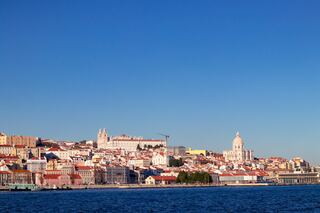
Set on seven hills on the banks of the River Tagus, Lisbon has been the capital of Portugal since the 13th century. It is a city famous for its majestic archite...
Full description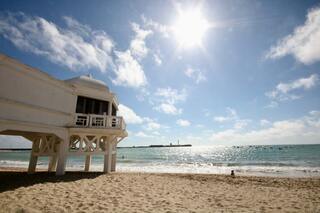
Believed to be the oldest town on the Iberian Peninsula, the Andalusian port of Cádiz enjoys a stunning location at the edge of a six-mile promontory. The town...
Full description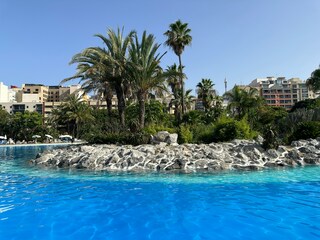
The autonomous city of Ceuta is a tiny Spanish city-enclave on the Moroccan side of the Straits of Gibraltar, separated from the Spanish mainland by just 12 mil...
Full description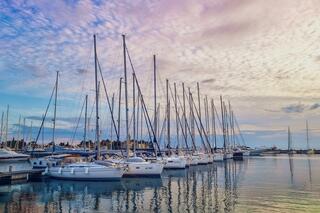
Motril is located in the Spanish region of Andalucia on the Costa Tropical. It is the biggest town on the Costa with a thriving commercial, fishing and leisure...
Full description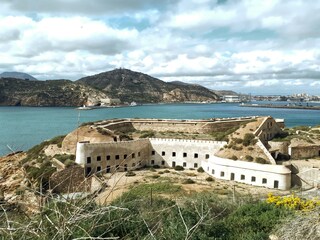
A Mediterranean city and naval station located in the Region of Murcia, southeastern Spain, Cartagena’s sheltered bay has attracted sailors for centuries. The C...
Full description
The fishing village of Sète serves as gateway to Montpellier, in the North. Other noteworthy destinations in this area include Carcassone, Aigues Mortes, the Ab...
Full description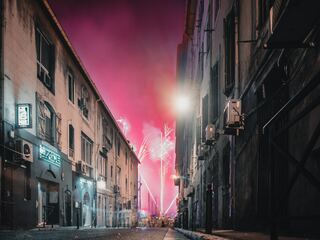
Since being designated a European Capital of Culture for 2013, with an estimated €660 million of funding in the bargain, Marseille has been in the throes of an...
Full description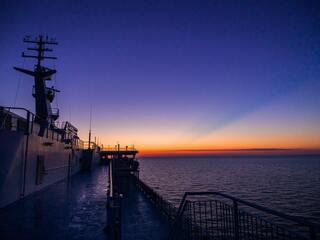
Considered Corsica’s primary commercial and cultural hub, the largest city and regional capital of Ajaccio is situated on the west coast of the island, approxim...
Full description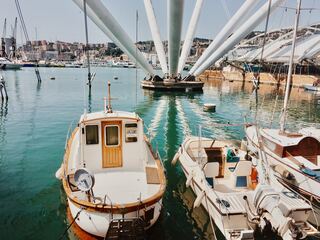
Genoa is a port city in the Northwest of Italy. Home to the Genoa Aquarium, famous for having the largest exposition of biodiversity in Europe, the city is also...
Full description
Set on seven hills on the banks of the River Tagus, Lisbon has been the capital of Portugal since the 13th century. It is a city famous for its majestic archite...
Full description
Believed to be the oldest town on the Iberian Peninsula, the Andalusian port of Cádiz enjoys a stunning location at the edge of a six-mile promontory. The town...
Full description
The autonomous city of Ceuta is a tiny Spanish city-enclave on the Moroccan side of the Straits of Gibraltar, separated from the Spanish mainland by just 12 mil...
Full description
Motril is located in the Spanish region of Andalucia on the Costa Tropical. It is the biggest town on the Costa with a thriving commercial, fishing and leisure...
Full description
A Mediterranean city and naval station located in the Region of Murcia, southeastern Spain, Cartagena’s sheltered bay has attracted sailors for centuries. The C...
Full description
The fishing village of Sète serves as gateway to Montpellier, in the North. Other noteworthy destinations in this area include Carcassone, Aigues Mortes, the Ab...
Full description
Since being designated a European Capital of Culture for 2013, with an estimated €660 million of funding in the bargain, Marseille has been in the throes of an...
Full description
Considered Corsica’s primary commercial and cultural hub, the largest city and regional capital of Ajaccio is situated on the west coast of the island, approxim...
Full description
Genoa is a port city in the Northwest of Italy. Home to the Genoa Aquarium, famous for having the largest exposition of biodiversity in Europe, the city is also...
Full descriptionLisbon
Set on seven hills on the banks of the River Tagus, Lisbon has been the capital of Portugal since the 13th century. It is a city famous for its majestic architecture, old wooden trams, Moorish features and more than twenty centuries of history. Following disastrous earthquakes in the 18th century, Lisbon was rebuilt by the Marques de Pombal who created an elegant city with wide boulevards and a great riverfront and square, Praça do Comércio. Today there are distinct modern and ancient sections, combining great shopping with culture and sightseeing in the Old Town, built on the city's terraced hillsides. The distance between the ship and your tour vehicle may vary. This distance is not included in the excursion grades.
Cádiz
Believed to be the oldest town on the Iberian Peninsula, the Andalusian port of Cádiz enjoys a stunning location at the edge of a six-mile promontory. The town itself, with 3,000 years of history, is characterised by pretty white houses with balconies often adorned with colourful flowers. As you wander around be sure to take a stroll through the sizeable Plaza de Espãna, with its large monument dedicated to the first Spanish constitution, which was signed here in 1812. Cádiz has two pleasant seafront promenades which boast fine views of the Atlantic Ocean, and has a lovely park, the Parque Genoves, located close to the sea with an open-air theatre and attractive palm garden. Also notable is the neo-Classical cathedral, capped by a golden dome.
Ceuta
The autonomous city of Ceuta is a tiny Spanish city-enclave on the Moroccan side of the Straits of Gibraltar, separated from the Spanish mainland by just 12 miles. The city's strategic location has ensured it has endured a turbulent history, often being used as a trade and military outpost. Originally an old Carthaginian colony, it has since been held by the Romans, Vandals, Byzantines, and Arabs, and has been known as 'Abyla', 'Septem' and 'Cibta'. It was finally taken over by Spain in 1580 and has remained Spanish since then, with the name 'Ceuta'. Covering an area of just ten square miles, the enclave is dominated by the hill of Monte Hacho, sometimes believed to be the legendary Pillars of Hercules. With a fascinating mix of both Spanish and African influences and surrounded by massive 14th-century city walls, Ceuta has a charm and grandeur all of its own. As an autonomous region of Spain, Ceuta is part of the territory of the EU, but is considered a special low-tax zone. Leather goods, ceramics and embroidery are common purchases from the city.
Motril
Motril is located in the Spanish region of Andalucia on the Costa Tropical. It is the biggest town on the Costa with a thriving commercial, fishing and leisure port. An hour and a half's drive east of Malaga and within easy reach of the magnificent Sierra Nevada mountain range, Motril makes an ideal base for exploring the many delights of the Andalucian coastline and its hinterland. Halfway between the resorts of Malaga to the west and Almeria to the east, nestling in the foothills of the Sierra Lujar mountains, Motril is at the heart of one of the most fertile and productive agricultural areas of Spain. The Costa Tropical takes its name from its sub-tropical climate which enables the cultivation of exotic fruits and crops such as sugar cane, oranges, lemons, apples, avocadoes, mangoes and bananas. One of the sights of Motril is the 17th-century church of Nuestra Señora de la Cabeza, dedicated to the town's patron saint.
Cartagena
A Mediterranean city and naval station located in the Region of Murcia, southeastern Spain, Cartagena’s sheltered bay has attracted sailors for centuries. The Carthaginians founded the city in 223BC and named it Cartago Nova; it later became a prosperous Roman colony, and a Byzantine trading centre. The city has been the main Spanish Mediterranean naval base since the reign of King Philip II, and is still surrounded by walls built during this period. Cartagena’s importance grew with the arrival of the Spanish Bourbons in the 18th century, when the Navidad Fortress was constructed to protect the harbour. In recent years, traces of the city’s fascinating past have been brought to light: a well-preserved Roman Theatre was discovered in 1988, and this has now been restored and opened to the public. During your free time, you may like to take a mini-cruise around Cartagena's historic harbour: these operate several times a day, take approximately 40 minutes and do not need to be booked in advance. Full details will be available at the port.
Sète
The fishing village of Sète serves as gateway to Montpellier, in the North. Other noteworthy destinations in this area include Carcassone, Aigues Mortes, the Abbaye de Fontfroide, and Pezenas. For a look at the real fisherman's life, however, stay right where you are. Sète is the Mediterranean's biggest fishing port. Canals winding through town make it fun to stroll around, and there are a number of good walking paths leading to the beach (about 30 minutes to the west). Although it's small and unspectacular, Plage de la Corniche has calm, pristine waters that are perfect for swimming. For a panoramic view of the area, climb Mont St-Clair or Les Pierres Blanches and pick a beach to settle down on.
Marseille
Since being designated a European Capital of Culture for 2013, with an estimated €660 million of funding in the bargain, Marseille has been in the throes of an extraordinary transformation, with no fewer than five major new arts centers, a beautifully refurbished port, revitalized neighborhoods, and a slew of new shops and restaurants. Once the underdog, this time-burnished city is now welcoming an influx of weekend tourists who have colonized entire neighborhoods and transformed them into elegant pieds-à-terre (or should we say, mer). The second-largest city in France, Marseille is one of Europe's most vibrant destinations. Feisty and fond of broad gestures, it is also as complicated and as cosmopolitan now as it was when a band of Phoenician Greeks first sailed into the harbor that is today's Vieux Port in 600 BC. Legend has it that on that same day a local chieftain's daughter, Gyptis, needed to choose a husband, and her wandering eyes settled on the Greeks' handsome commander Protis. Her dowry brought land near the mouth of the Rhône, where the Greeks founded Massalia, the most important Continental shipping port in antiquity. The port flourished for some 500 years as a typical Greek city, enjoying the full flush of classical culture, its gods, its democratic political system, its sports and theater, and its naval prowess. Caesar changed all that, besieging the city in 49 BC and seizing most of its colonies. In 1214 Marseille was seized again, this time by Charles d'Anjou, and was later annexed to France by Henri IV in 1481, but it was not until Louis XIV took the throne that the biggest transformations of the port began; he pulled down the city walls in 1666 and expanded the port to the Rive Neuve (New Riverbank). The city was devastated by plague in 1720, losing more than half its population. By the time of the Revolution, Marseille was on the rebound once again, with industries of soap manufacturing and oil processing flourishing, encouraging a wave of immigration from Provence and Italy. With the opening of the Suez Canal in 1869, Marseille became the greatest boomtown in 19th-century Europe. With a large influx of immigrants from areas as exotic as Tangiers, the city quickly acquired the multicultural population it maintains to this day.
Ajaccio, Corsica
Considered Corsica’s primary commercial and cultural hub, the largest city and regional capital of Ajaccio is situated on the west coast of the island, approximately 644 km (400 miles) southeast of Marseille, France. Founded in 1492, vestiges of ancient Corsica in this ville impériale revolve around the city’s most famous son, Napoléon Bonaparte, whose family home—now the national museum Maison Bonaparte—pays tribute to the emperor’s historical influence.Remnants from what was originally a 12th-century Genoese colony are still visible around the Old Town near the imposing citadel and watchtower. Perfect for exploring, the luminous seaside city surrounded by snowcapped mountains and pretty beaches offers numerous sites, eateries, side streets, and a popular harbor, where sailboats and fishing vessels moor in the picturesque Tino Rossi port lined with well-established restaurants and cafés serving fresh local fare.
Genoa
Genoa is a port city in the Northwest of Italy. Home to the Genoa Aquarium, famous for having the largest exposition of biodiversity in Europe, the city is also a great place to visit for anyone interested in architecture.
Date & price
Departs
Thu 8 Apr 2027
from £4,698 pp
Enquire now Call 020 7590 0610Per person, based on two sharing, cruise only. Updated daily and confirmed when you book.